Different industrial applications need different foam types for proper performance. This blog explains the main types of industrial foam and how to choose the right one from a reliable industrial foam manufacturer.
Foam is used in many industrial applications where performance, durability, and efficiency matter. From filtration systems to insulation and cleaning processes, different uses require different foam types.
Not all foam works the same way. Each type has a specific structure and function, which directly affects how it performs in real conditions. Choosing the right foam helps improve output and reduces long-term issues in industrial use.
This is where an industrial foam manufacturer plays an important role. The right manufacturer provides foam that matches specific application needs instead of offering a one-size-fits-all solution.
In this blog, we will look at the main types of foam used in industries and how they are applied in different systems, including filtration and processing.
What is Industrial Foam
Industrial foam is a specially designed material used in technical and performance-based applications. It is not made for general use, but for specific industrial needs where strength, structure, and reliability matter.
It is used in areas such as filtration, insulation, cushioning, sealing, and separation. The way it performs depends on its structure, density, and material composition, with materials such as polyurethane filter foam being widely used in filtration applications.
In many systems, industrial foam helps control airflow, water flow, or temperature. Because of this, it is widely used across different industries where consistent performance is important.
Main Types of Foam Used in Industrial Applications
Industrial foam is not a single material. It comes in different types, and each type is designed for a specific purpose. Industrial foam performance depends on its structure, density, and how it performs during daily use.
Knowing the different foam types makes it easier for industries to pick the best material for their needs. Working with an industrial foam manufacturer is key here – they help ensure the right choice for each use.
- Polyurethane foam
Polyurethane foam is one of the most widely used foam types in industrial applications. It is flexible, durable, and adaptable, which makes it suitable for a variety of uses. It can be soft or firm depending on how it is manufactured, which gives it a wide range of applications.
In industrial settings, it is used for cushioning, sealing, and support systems. In modified forms, it is also used in filtration applications that require a controlled structure. This version is commonly referred to as polyurethane filter foam.
- Filter foam
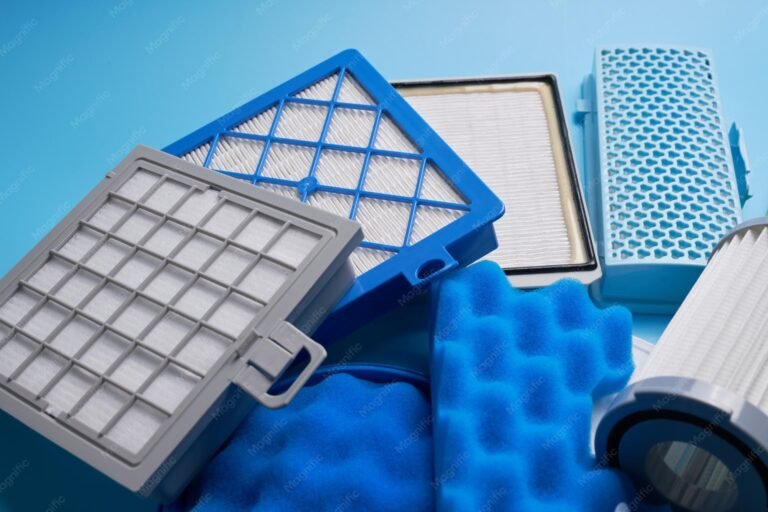
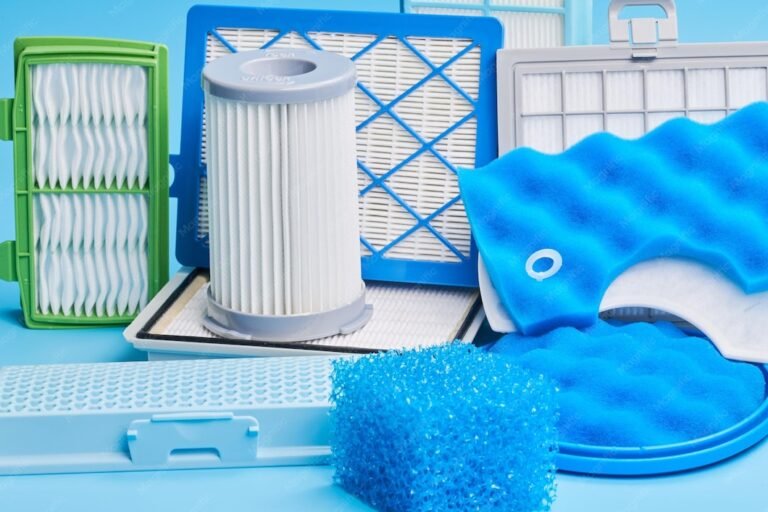
Filter foam is designed specifically for separation and cleaning processes. Its main role is to trap unwanted particles, such as dust, dirt, and other impurities, while allowing air or water to pass through smoothly.
It is widely used in systems where maintaining cleanliness and flow simultaneously is important. This includes air filtration units, water cleaning systems, and various industrial processing setups. The balance between flow and filtration makes it a key material in many industries.
- Reticulated foam (open-cell foam)
Reticulated foam has a highly open structure with interconnected pores. This design allows fluids, including air, to pass through with very low resistance while still providing effective filtration.
Because of this structure, it is commonly used in high-performance filtration systems where both efficiency and flow rate are critical. It is durable, reusable, and maintains performance over long periods. In industrial use, it is often referred to as reticulated PU filter foam.
How Industrial Foam is Used in Different Applications
Industrial foam is used across many industries because it serves multiple functions, such as filtration, insulation, and protection. Its role varies depending on the system it is used in, but its purpose is always to improve efficiency and performance.
- Filtration systems (air and water)
Foam is widely used in filtration setups to remove dust, dirt, and unwanted particles. It helps maintain clean air or water flow while allowing smooth passage through the system. This is where materials like filter foam and reticulated PU filter foam are commonly used.
- Automotive applications
In vehicles, foam is used for sealing, cushioning, and noise control. It helps improve comfort and reduces vibration in different parts of the system.
- HVAC systems
Foam plays a role in air conditioning and ventilation systems by supporting airflow control and reducing energy loss. It helps maintain consistent air quality and system efficiency.
- Industrial machinery protection
Foam is used to protect sensitive machine parts from dust, impact, and vibration. It helps improve durability and reduces maintenance needs.
- Cleaning and separation systems
In industrial cleaning setups, foam is used to separate impurities and support smooth processing in water or liquid-based systems.
How to Choose the Right Foam Type
Choosing the right foam is important because each application requires a different level of performance. The wrong selection can reduce efficiency and affect the final output.
- Understand the application clearly
The first step is to identify where the foam will be used. Filtration, cushioning, and insulation all need different foam structures.
- Check density and structure
Foam performance depends on how open or dense its structure is. For example, open-cell foam is better for flow-based applications.
- Consider durability requirements
Industrial use often involves continuous operation. The foam should maintain its shape and performance over time.
- Match foam type with function
Using the right type, such as industrial foam, filter foam, or polyurethane filter foam, ensures better efficiency and longer service life.
- Work with an experienced manufacturer
A reliable industrial foam manufacturer can guide selection based on real application needs and ensure consistent quality.
Role of Foam Manufacturers in Quality Selection
The quality of industrial foam depends not only on the material but also on how it is designed and produced. This is why the role of an industrial foam manufacturer becomes important in ensuring the right selection for each application.
- Helps in selecting the right foam type
A manufacturer knows how different foams work and suggests the best one for filtration, insulation, or padding.
- Ensures consistent quality across production
In industrial applications, consistency is critical. A reliable manufacturer ensures that every batch of foam performs consistently.
- Provides application-based solutions
Manufacturers can adjust the structure, density, and design to suit specific needs rather than using standard materials.
- Supports technical understanding of materials
With a better understanding of foam behaviour, manufacturers help industries choose the right materials and prevent performance problems.
Working with the right foam manufacturer ensures better efficiency, reliability, and long-term stability in industrial operations.
Why Reticulated Foam is Widely Used in Filtration
Reticulated foam is one of the most preferred materials in filtration systems because of its open and uniform structure. It is designed to allow smooth flow while effectively capturing unwanted particles.
- High flow rate with effective filtration
Its open cells allow air or water to pass through easily while trapping impurities, making it highly efficient for ongoing use.
- Long-lasting and reusable material
Reticulated foam can be cleaned and reused multiple times without compromising its basic structure, making it cost-effective in the long run.
- Stable performance in demanding systems
It consistently filters even when used nonstop, which is important for industrial and water systems.
- Widely used in advanced filtration setups
It is commonly used in systems that require precise flow control, including applications involving reticulated PU filter foam.
Because of these features, reticulated foam is one of the most dependable materials for modern filtration.
Choosing the Right Foam for Better Industrial Performance
Foam selection plays an important role in how efficiently an industrial system performs. Each type of foam is designed for a specific purpose, and using the right one directly improves output, durability, and system stability.
From filtration systems to insulation and protection applications, materials such as filter foam, polyurethane filter foam, and reticulated PU filter foam are widely used for their structure and function. Each one serves a different need, but the goal remains the same: better performance and efficiency.
Working with a reliable industrial foam manufacturer ensures the foam meets the exact application requirements. It also helps maintain consistency in quality, which is important for long-term industrial use.
KareFoam focuses on delivering application-specific foam solutions tailored to diverse industrial needs. With a strong understanding of material behaviour and performance, it supports industries by providing reliable, consistent foam options, including for filtration-based applications.
Choosing the right foam is not just a material decision. It is a key step in improving efficiency, reducing issues, and ensuring long-term stability in industrial systems.