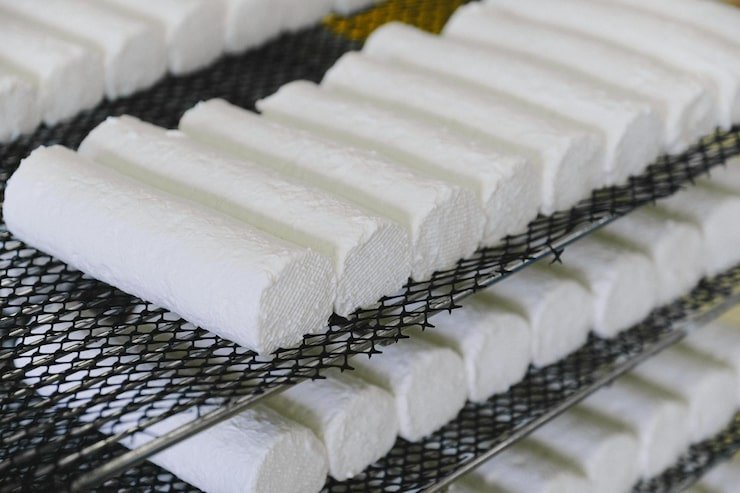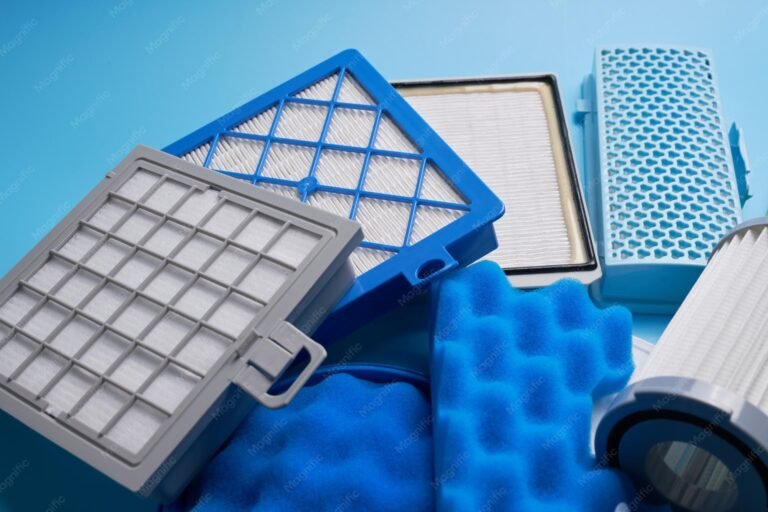
A cleaning sponge may look simply, but its performance depends on the foam inside it. Two important factors are density and pore size. They affect how much water a sponge absorbs, how it feels in the hand, how well it removes dirt, and how long it lasts.
Cleaning sponge density describes how much foam material is present within a given volume. Cleaning sponge pore size refers to the size of the openings within the foam structure. These two properties work together, but they do different jobs.
A soft sponge with large pores may absorb water quickly. A denser sponge with smaller pores may offer a firmer feel and better resistance to repeated use. The right balance depends on the cleaning task, surface, and expected service life.
Understanding these factors helps manufacturers select the right cleaning sponge material for each product.
Why Foam Density Matters in Cleaning Sponges
The foam density for cleaning sponges affects the physical feel and strength of the sponge. Density is linked to the amount of foam material within a certain volume.
A lower-density sponge is usually lighter and softer. It may compress easily and provide a gentle cleaning action.
A higher-density sponge can feel firmer. It may also offer better resistance to repeated squeezing and handling.
For this reason, cleaning sponge density should be selected according to how the sponge will be used.
Consider these common requirements:
- Soft feel for gentle cleaning
- Firm structure for scrubbing
- Higher durability for repeated use
- Easy compression for hand washing
- Good shape retention after use
The right foam density for cleaning sponges can help balance comfort, durability, and cleaning action.
How Pore Size Changes Sponge Performance
Foam pore size affects how air and water move through the sponge. It also changes the way the sponge feels and performs while cleaning.
Larger pores create more open space within the foam. This can help the sponge take in and release water quickly.
Smaller pores create a finer structure. This can give the sponge a smoother feel and change how it holds water and cleaning liquid.
The ideal cleaning sponge pore size depends on the intended application.
For example:
- Large pores can support fast water uptake
- Medium pores can balance absorption and scrubbing
- Fine pores can provide a smoother surface
- Different pore structures can suit different cleaning products
Karefoam states that its cleaning sponge foams can be produced with fine to coarse pores for different applications, from gentle sponges to products used for heavier cleaning.
Density And Pore Size Must Work Together
Density and pore size should not be treated as the same specification. Cleaning sponge density mainly relates to the amount of foam material and its physical properties.
By comparison, foam pore size relates to the size and structure of the cells within the foam.
A sponge can have a fine pore structure but still has a different density from another sponge with similar pores. This is why manufacturers should assess both properties before choosing a grade.
The combination can affect:
- Water absorption
- Compression
- Recovery
- Scrubbing feel
- Surface contact
- Tear resistance
- Product life
The right foam density for cleaning sponges depends on the complete product design rather than one specification alone.
Choosing The Right Foam for Different Cleaning Tasks
A polyurethane cleaning sponge can be designed for different cleaning needs. Polyurethane foam is available in grades with different densities, pore structures, and physical properties.
A soft PU cleaning sponge may work well for surfaces that need gentle handling. A firmer grade may be better for products designed for tougher cleaning.
For kitchen use, the sponge may need a balance between water absorption and scrubbing strength. For automotive cleaning, softness, and surface safety may be more important.
A foam cleaning sponge can also be made in different shapes and sizes. This allows manufacturers to match the sponge with the way users hold and apply it.
How Absorption Affects Everyday Use
Water absorption is a key part of cleaning sponge performance. A sponge needs to take in enough water or clean liquid without becoming difficult to handle.
A cleaning sponge with a suitable open-cell structure can absorb and release liquid during repeated use.
The pore structure plays an important role here. Larger pores can allow liquid to move through the foam quickly. Finer pores may hold liquid differently.
The material also matters. Karefoam describes its cleaning sponges as hydrophilic polyether-based polyurethane foam, designed for water absorption and repeated use.
This makes PU cleaning sponge selection important when absorption is a major product requirement.
Balancing scrubbing and surface safety
A cleaning sponge must remove dirt without causing unwanted damage to the surface. This is where the balance between density and pore structure becomes important.
A very soft polyurethane cleaning sponge may be suitable for delicate surfaces. A firmer foam can provide stronger contact during scrubbing.
However, cleaning performance should not be judged by density alone.
Manufacturers should also consider:
- Surface type
- Dirt level
- Cleaning chemicals
- Water absorption
- Required pressure
- Expected cleaning cycles
- Sponge shape and thickness
The right cleaning sponge material should match these conditions.
Where sponge foam is used beyond cleaning
Foam is not limited to household cleaning products. Similar material properties are useful in other applications.
A sponge paint roller uses open-cell foam to absorb and release paint. Its cell structure affects how quickly it loads and how evenly it transfers paint.
This shows why foam pore size matters beyond cleaning. The same basic foam properties can influence liquid absorption and release in different products.
A foam cleaning sponge also relies on controlled cell structure to manage liquid during use.
However, each application needs its own foam grade. A material suited for a sponge paint roller may not provide the right cleaning performance.
What Manufacturers Should Check Before Selection
Choosing the right cleaning sponge starts with the final application. Manufacturers should define the required performance before selecting the foam grade.
A useful checklist includes:
- Required softness or firmness
- Target cleaning sponge pore size
- Required cleaning sponge density
- Water absorption needs
- Surface type
- Cleaning pressure
- Chemical exposure
- Expected service life
- Shape and dimensions
- Cutting and finishing requirements
For OEMs, consistent foam properties are also important. Small differences in density or pore structure can affect the feel and performance of finished products.
Getting More from the Right Foam Selection
The performance of a cleaning sponge comes from more than its outer shape. Density, pore size, material type, thickness, and application all work together.
A suitable PU cleaning sponge can provide the right balance of absorption, flexibility, strength, and cleaning action. The correct foam density for cleaning sponges can support durability, while the right cleaning sponge pore size can influence liquid movement and surface feel.
Karefoam manufactures cleaning sponge foam using polyether-based polyurethane foam and offers custom density, pore size, size, shape, and colour options.
Their polyurethane cleaning sponge solutions can be adapted for household, automotive, ceramic, and other cleaning applications. Their approach to cleaning sponge material selection focuses on matching the foam with the intended use.
For manufacturers, the goal is simple: select a foam that performs well for the job it is designed to do. A balanced combination of density and pore size can help create a foam cleaning sponge that absorbs well, feels right, and holds up through regular use.