Cleaning sponges are used in homes, workshops, factories, kitchens, and many other settings. However, a sponge made for household cleaning may not suit an industrial task. The cleaning conditions, surface type, pressure, chemicals, and usage time can be very different.
The main difference in industrial cleaning sponge vs household cleaning sponge is the level of performance required. Industrial use may need stronger foam, higher durability, better absorption, or resistance to repeated cleaning. Household products often focus on comfort, easy handling, and everyday cleaning.
The choice of cleaning sponge material should therefore match the job. Polyurethane foam is one material that can be adapted for both types of applications. Density, pore size, strength, and absorption can be adjusted based on the intended use.
What Makes an Industrial Cleaning Sponge Different?
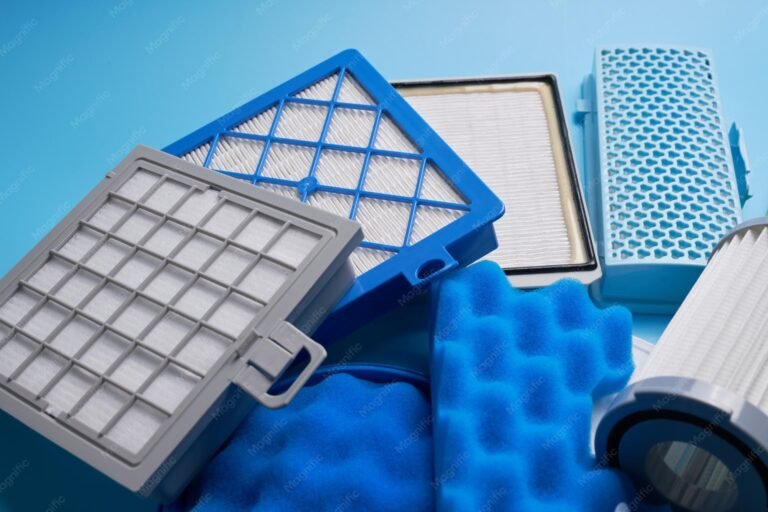
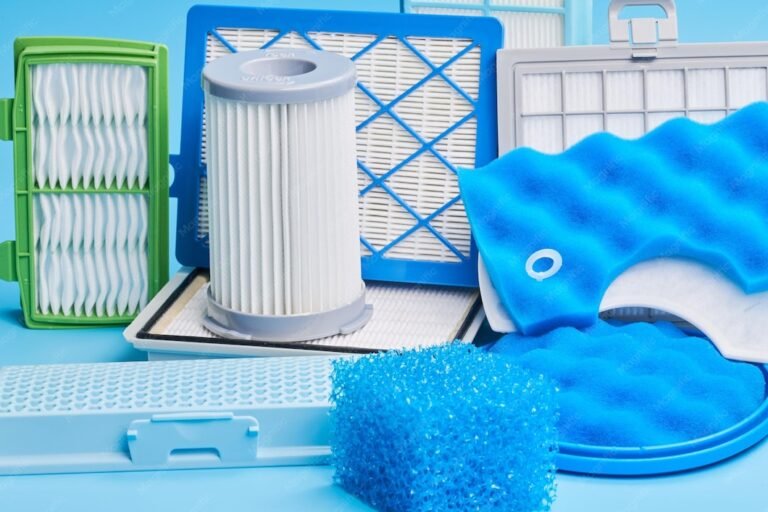
An industrial cleaning sponge is designed for demanding cleaning conditions. It may be used on machinery, tiles, automotive parts, commercial kitchen surfaces, or production equipment. Similar foam materials are also used in applications such as air filter foam, where pore structure and airflow are important.
These applications can involve frequent use and higher cleaning pressure. Some may also involve grease, oil, water, or cleaning chemicals.
An industrial cleaning foam needs to maintain its structure during repeated use. It should also provide suitable absorption and surface contact.
Typical requirements include:
- Higher tear resistance
- Good abrasion resistance
- Strong water absorption
- Suitable compression and recovery
- Consistent pore structure
- Resistance to repeated washing
- Custom shapes and sizes
How Household Sponges Are Usually Designed
A household cleaning sponge is generally made for everyday tasks. Common uses include washing dishes, cleaning kitchen surfaces, wiping bathrooms, and general home maintenance.
The design often focuses on easy handling. The sponge should feel comfortable when squeezed and used by hand.
A household cleaning sponge may also need good water absorption. This helps users apply water and cleaning solutions during routine cleaning. For businesses looking for customized foam solutions for cleaning and other applications, an industrial foam manufacturer can provide materials suited to specific performance requirements
Common features include:
- Soft or medium foam
- Easy compression
- Good liquid absorption
- Lightweight construction
- Comfortable handling
- Simple shapes and cuts
The required performance is usually lower than that of an industrial product. However, the foam still needs to withstand regular washing and use.
Industrial And Household Needs Are Not the Same
The key difference in industrial cleaning sponge vs household cleaning sponge can be seen in their working conditions.
An industrial sponge may be used for longer periods and under greater pressure. A household sponge may be used for shorter cleaning tasks.
The surface can also change the material requirement. Industrial equipment may have rough or uneven surfaces. Household surfaces may include glass, ceramic, stainless steel, or coated materials.
This means one cleaning sponge material cannot always meet every requirement.
For industrial applications, manufacturers may focus on:
- Durability
- Tear resistance
- Abrasion resistance
- Chemical exposure
- Repeated cleaning
- Water retention
- Shape stability
For household products, softness, comfort, absorption, and ease of use may receive more attention.
Why Polyurethane Foam Is Used
A polyurethane cleaning sponge can be produced in different grades. This gives manufacturers more control over the final product.
Polyurethane foam can have different densities and pore structures. These properties affect how the sponge absorbs water, compresses, and responds to repeated use.
A PU cleaning sponge may therefore be developed for a specific cleaning task rather than treated as a standard product.
For example, a softer foam may suit delicate surfaces. A denser foam may provide a firmer feel for heavier cleaning.
Karefoam uses polyether-based polyurethane foam for its cleaning sponges. The company lists applications across automotive, ceramic, kitchen, and bath cleaning.
The Role Of Foam Density And Pore Structure
Foam density and pore structure are important when comparing sponge grades. Density affects the physical properties of the foam. Pore structure affects how air and liquids move through it.
A denser industrial cleaning foam can offer better resistance to repeated compression and handling. A lighter grade may provide a softer feel.
Pore size also affects absorption and cleaning action. Larger pores can allow liquids to enter the foam quickly. Fine pores can provide a different surface feel and liquid-holding behavior.
For this reason, industrial cleaning sponge specifications should be selected based on the final use.
The right balance can help a sponge provide:
- Suitable water absorption
- Controlled softness
- Better durability
- Good surface contact
- Consistent cleaning performance
Where Industrial Sponge Foam Is Used
Industrial sponge products can serve many sectors. The required foam depends on the cleaning process and surface.
Common applications include:
- Automotive cleaning: Sponges can be used for washing and detailing vehicle surfaces.
- Ceramic cleaning: Durable foam can support cleaning of tiles and ceramic surfaces.
- Commercial kitchens: Sponges may need to handle grease, food residue, and frequent washing.
- Manufacturing: Cleaning tools may be used to remove dust, dirt, or residue from equipment.
- Construction: Stronger sponge materials can help with cleaning tools and surfaces after installation work.
These uses show why industrial cleaning foam needs to be selected around the actual working conditions.
What About Air Filter Foam?
Air filter foam is another polyurethane foam application, but it serves a different purpose from cleaning sponges.
Air filter foam is designed to allow air to pass while helping capture dust and other particles. Reticulated polyurethane foam is commonly used because its interconnected open-cell structure supports airflow and particle capture.
An air industrial sponge may refer to foam used in air filtration or industrial air management applications. It should not be treated as the same material specification as a cleaning sponge.
Filter foam selection considers factors such as pore size, density, thickness, airflow, and particle size.
This is another example of why foam should be selected according to its application.
How To Choose the Right Sponge Material
Before selecting a household cleaning sponge or industrial grade, manufacturers should understand the conditions in which it will be used.
A simple checklist can help:
- Identify the surface being cleaned
- Check the required level of softness
- Define the expected cleaning pressure
- Assess water and chemical exposure
- Consider how often the sponge will be washed
- Check the required absorption level
- Select the suitable density
- Choose the right pore structure
- Confirm the required shape and dimensions
For large-volume production, consistency is also important. The foam should maintain similar properties across batches.
An experienced industrial foam manufacturer can help assess these requirements and recommend a suitable grade. Karefoam develops technical polyurethane foam solutions for cleaning, filtration, automotive, HVAC, and other applications.
Selecting Foam for the Right Cleaning Job
The comparison of industrial cleaning sponge vs household cleaning sponge shows that the main difference is not simply size or appearance. It is the performance expected from the foam.
An industrial cleaning sponge may need higher strength, durability, and resistance to repeated use. A household cleaning sponge may focus more on softness, absorption, and comfortable handling.
A suitable PU cleaning sponge can be developed around these different needs. Karefoam provides polyurethane cleaning sponge solutions with options for different densities, pore sizes, shapes, and applications.
As an industrial foam manufacturer, they work with different foam requirements across industrial and consumer applications. Their experience with industrial cleaning foam allows them to support applications where consistent material performance is important.
The right cleaning sponge material should always be selected based on the surface, cleaning method, usage frequency, and required performance. This approach helps manufacturers develop products that work well for their intended users.