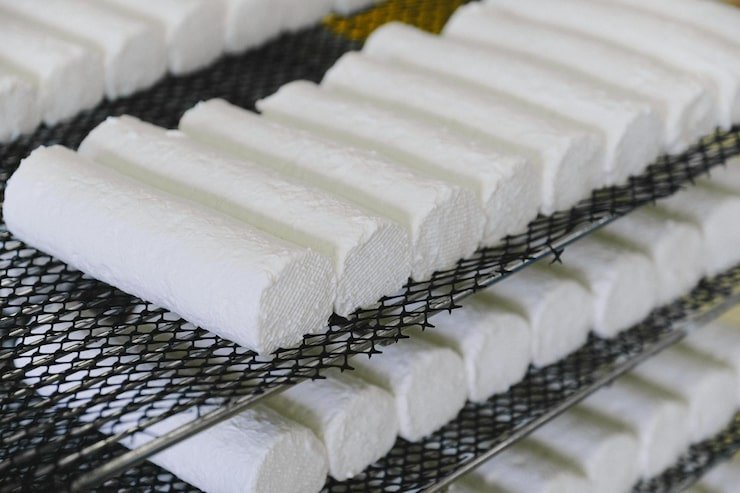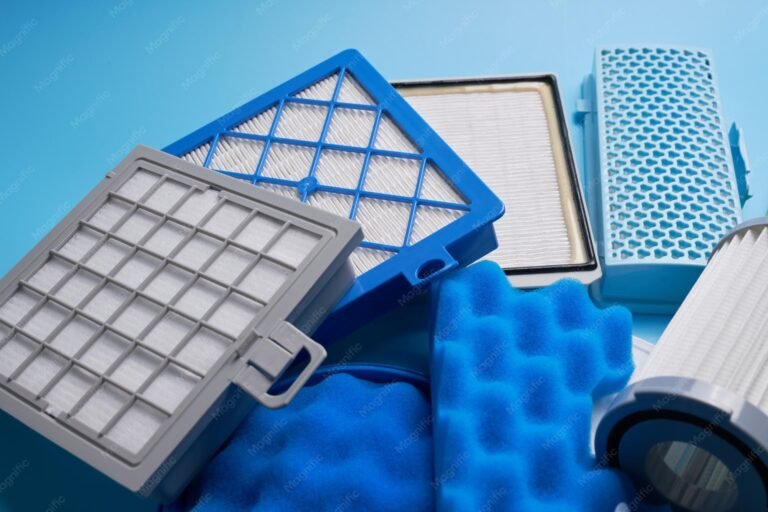
Clean air depends on effective filtration. Whether it is an engine, HVAC unit, air purifier, or industrial machine, the filter must catch dust without stopping airflow. This is where foam can be useful.
Filter foam has an open-cell structure that lets air pass through while trapping dust and other particles. Its performance depends on factors such as pore size, thickness, density, and material type.
Different applications need different foam grades. A vehicle may need a washable filter, while an industrial system may need foam that can handle oil, heat, or moisture. Understanding these differences helps buyers select the right material.
This guide explains the main types of air filter foam, where they are used, their benefits, and the factors to check before choosing one.
What Makes Foam Suitable for Air Filtration?
The structure of the foam plays a key role in filtration. Open cells create connected paths through which air can move. As air passes through, dust and other particles become trapped within the foam.
Air filtration foam is often used where airflow and particle capture must work together. It can also be cut into different shapes to fit filter housings.
The right air filter foam material depends on the working conditions. Factors such as moisture, temperature, oil exposure, and cleaning methods should be checked before selection.
Pores per inch, or PPI, is another important measure. A lower PPI allows easier airflow and is suited to larger particles. A higher PPI provides finer filtration but can create greater airflow resistance.
Main Types of Air Filter Foam
Foam filters are available in different structures and formulations. The right option depends on the application.
- Reticulated Polyurethane Foam
Reticulated foam has an open network of connected strands. It is made by removing the membranes between the foam cells.
This gives the foam a more uniform pore structure. It is widely used for filtration because it offers good airflow with controlled particle capture.
A suitable air filter foam sheet can be supplied in different PPI grades. This allows manufacturers to select a structure based on filtration needs.
- Polyester And Polyether Foam
Polyurethane foam can be made using different formulations. Polyether foam offers better resistance to hydrolysis and is useful in moisture-prone settings.
Polyester foam is known for stronger resistance to chemicals and oils. The choice should be based on the environment in which the filter operates.
An experienced foam manufacturer can help match the material with the application.
Where Is Air Filter Foam Used?
Foam filtration is used in many systems. Each application has its own operating needs.
- Automotive air filter foam is used in areas such as engine air intake systems and other vehicle filtration applications. Washable foam can be useful where filters need regular cleaning.
- Industrial air filter foam is used to protect equipment such as compressors, blowers, pumps, and electrical enclosures. These systems may face high dust levels or frequent operation.
- HVAC filter foam can work as a pre-filter. It catches larger dust particles before air reaches finer filter media. This can help reduce the load on the main filter.
Air purifier filter foam is also used as a pre-filter in some systems. It can catch coarse particles such as dust, lint, and hair before they reach the main filtration stage.
Why PPI Matters in Filter Selection
PPI means pores per inch. It gives an indication of how fine or coarse the foam structure is.
A lower PPI foam has larger openings. It allows air to pass with less resistance and works well for coarse filtration.
A higher PPI foam has smaller openings. It can capture smaller particles but may restrict airflow more.
For this reason, PPI should never be selected alone. The required airflow, particle size, filter thickness, and equipment design must also be considered.
A good filter foam balances filtration needs with acceptable airflow resistance.
Key Benefits of Foam Filters
Foam offers several useful properties for air filtration. These make it suitable for both simple and demanding applications.
- Washable design: Many foam filters can be cleaned and reused
- Flexible shape: Foam can be cut to fit different housings
- Good airflow: Open cells allow air to move through the filter
- Durability: Suitable grades can withstand repeated use
- Custom sizing: Foam can be supplied as sheets or fabricated parts
These features make air filter foam material useful where replacement costs and maintenance need to be controlled.
A properly selected air filter foam sheet can also help maintain steady filtration over its service life.
How Thickness Affects Performance
Pore size is not the only factor that matters. Foam thickness also affects how much dust the filter can hold.
A thicker foam element provides more depth for particles to collect. This can be useful in dusty environments where filters need longer service intervals.
However, thicker does not always mean better. If the material creates too much resistance, the system may need more energy to move air.
The right air filtration foam should therefore be selected according to the system’s airflow and loading conditions.
Choosing Foam for Different Environments
The operating environment can change which foam grade is suitable.
Consider these points before ordering:
- Is the filter exposed to water or humidity?
- Will it encounter oil or chemicals?
- What temperature will it face?
- How often will it be cleaned?
- What particle size needs to be captured?
- How much airflow must pass through it?
These questions help narrow down the right material.
For outdoor or damp applications, material resistance is important. For engine applications, oil and temperature exposure may need more attention.
A reliable air filter foam supplier can provide guidance based on these conditions.
What To Look for in a Foam Manufacturer
The quality of the finished filter depends on more than the foam itself. Manufacturing consistency also matters.
When comparing air filter foam manufacturers, check whether they can provide consistent pore size, thickness, density, and dimensions.
It is also useful to ask about:
- Available PPI grades
- Material options
- Custom cutting
- Sample development
- Bulk production
- Quality checks
Experienced filter foam manufacturers can help reduce errors during product development.
A capable foam manufacturer can also support custom shapes when standard sheets do not fit the filter housing.
When Custom Foam Solutions Make Sense
Not every filter follows a standard size. Some machines use unusual shapes or compact housings.
This is where foam solutions can be tailored to the product design. Foam can be cut, profiled, or fabricated to match the required dimensions.
Custom foam solutions can also help manufacturers reduce on-site cutting and material waste.
For OEM applications, working with a specialist can make product development easier. The supplier can help select the right material and create samples before larger production runs.
Making The Right Foam Choice
The best filter is not simply the finest or thickest option. It is the one that provides the right balance between particle capture, airflow, durability, and operating conditions.
Filter foam should be selected according to the actual needs of the equipment.
The right air filter foam material can support reliable filtration without creating unnecessary airflow resistance. For vehicle applications, automotive air filter foam can provide a practical option where washable and flexible filtration is needed. Industrial equipment may benefit from industrial air filter foam suited to demanding conditions.
In HVAC systems, HVAC filter foam can serve as an effective pre-filter. For domestic air cleaning equipment, air purifier filter foam can help protect the main filter from coarse dust.
Businesses can also work with air filter foam manufacturers when they need custom specifications. Experienced filter foam manufacturers can support different PPI grades and fabrication needs. A trusted air filter foam supplier can further help with material selection and supply requirements.
Karefoam manufactures reticulated polyurethane foam for filtration and other technical applications. They provide foam solutions for different industrial needs and support custom requirements. Their capabilities as a foam manufacturer include supplying foam in application-specific formats and helping customers select suitable products for their filtration requirements.