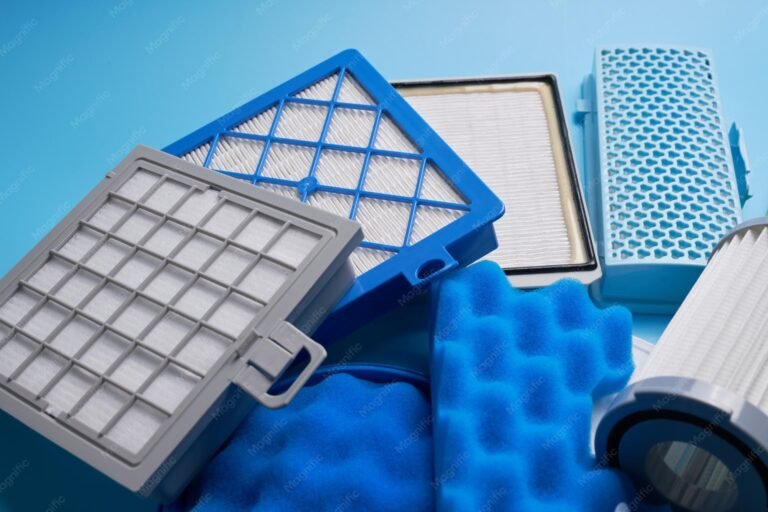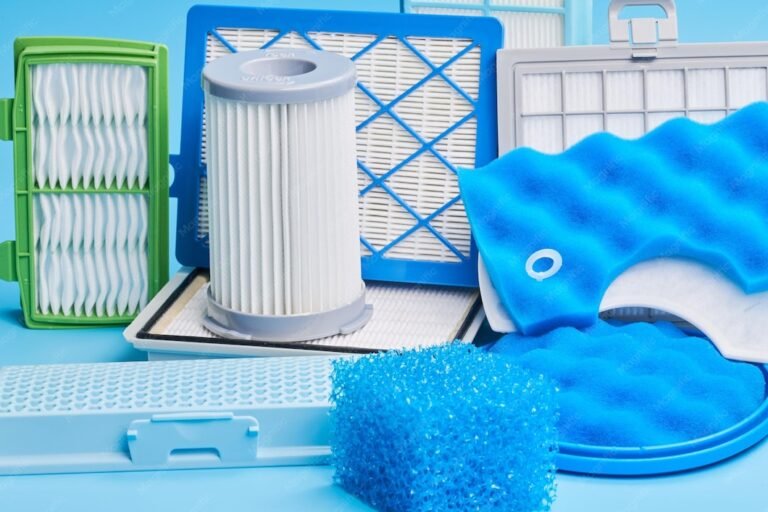
Indoor air quality depends on more than just an HVAC unit. The filter inside the system plays a major role in removing dust, dirt, and airborne particles. The quality of the filter material directly affects airflow, energy use, and overall system performance.
This is where foam-based filtration becomes important. Foam is designed to balance airflow with effective particle capture. It also offers durability and can be customized for different HVAC applications.
When selected correctly, HVAC filter foam helps improve filtration efficiency while maintaining smooth airflow. This blog explains how industrial foam supports HVAC systems and what factors should be considered when selecting the right foam.
Why Foam Is Used in HVAC Filtration
HVAC systems need a filter that can trap particles without restricting airflow. Foam is widely used because its open structure allows air to pass through while holding dust and contaminants.
A good industrial filter foam offers consistent performance over long operating hours. It helps maintain air circulation while reducing the amount of dust entering the system.
Foam also supports longer filter life compared to materials that lose their shape quickly.
Understanding The Structure of Reticulated Foam
Not every foam is suitable for filtration. HVAC systems often use reticulated foam because of its unique structure.
- Reticulated polyurethane foam
- Open-cell polyurethane foam
Reticulated polyurethane foam has interconnected pores that allow air to move freely. The cell walls are removed during manufacturing, creating an open network. This same open-cell technology is also used in quick dry outdoor foam, allowing water to drain efficiently and air to circulate, making it suitable for outdoor furniture and marine applications.
Similarly, open-cell polyurethane foam provides excellent airflow while trapping airborne particles. This balance is one of the main reasons it is widely used in HVAC filtration.
How Foam Improves HVAC System Performance
Foam contributes to HVAC efficiency in several ways.
- Supports smooth airflow
- Traps dust and debris
- Reduces pressure drop
- Protects internal equipment
- Extends filter service life
A high-quality polyurethane filter foam keeps the filtration system working efficiently without putting extra load on the fan or motor.
This results in better energy efficiency and lower maintenance requirements.
Choosing The Right Foam for Different HVAC Needs
Every HVAC system has different operating conditions. A residential air purifier and a large industrial ventilation system need different foam specifications.
A filter foam sheet is available in different thicknesses, pore sizes, and densities. These variations help manufacturers match the foam with the required filtration level. Choosing the right foam improves both airflow and filtration performance.
Comparison Of Common Foam Features
| Feature | Industrial Foam Filters | Conventional Filter Media |
| Airflow | High and consistent | Can reduce over time |
| Washability | Often washable and reusable | Frequently disposable |
| Durability | Long service life | Varies by material |
| Particle Capture | Good balance of airflow and filtration | Depends on filter type |
| Maintenance | Lower replacement frequency | More frequent replacement |
The right foam combines these features to improve overall system efficiency.
Why Material Quality Makes a Difference
The quality of foam directly affects filtration results.
Filter foam manufacturer
A reliable filter foam manufacturer focuses on consistency in pore structure, density, and durability. This ensures that every batch performs as expected.
Poor-quality foam may collapse under pressure or restrict airflow after extended use.
Working with an experienced supplier helps maintain consistent HVAC performance.
Importance Of Industrial Manufacturing Standards
HVAC applications often demand high production quality because filters operate continuously.
An experienced industrial foam manufacturer understands these requirements. They produce foam that maintains its shape even after long periods of operation.
Consistent manufacturing also reduces variation between filter batches, making maintenance more predictable.
Key Factors to Consider Before Selecting Foam
Before choosing filtration foam, it is useful to evaluate a few technical factors.
- Airflow requirement
- Particle size to be filtered
- Operating environment
- Temperature conditions
- Cleaning or replacement frequency
A suitable HVAC filter foam should provide efficient filtration without causing unnecessary resistance inside the system.
Matching foam properties with application needs helps improve long-term performance.
Benefits Of Foam-Based HVAC Filtration
Foam offers practical advantages that support both performance and maintenance. Some of the key benefits include:
- Better airflow balance
- Improved dust collection
- Lower maintenance frequency
- Longer equipment life
- Reusable options for selected applications
A quality industrial filter foam Sheet helps maintain cleaner air while reducing pressure on HVAC components.
Why Reticulated Foam Remains A Preferred Choice
Reticulated foam continues to be one of the most widely used materials in HVAC filtration. Its open network allows dust to be captured while maintaining airflow through the filter.
Likewise, open-cell polyurethane foam supports consistent air movement across different operating conditions.
These characteristics make both materials suitable for residential as well as industrial HVAC systems.
Selecting A Reliable Manufacturing Partner
A trusted filter foam manufacturer offers technical guidance, custom sizes, and application-specific recommendations. Similarly, an experienced industrial foam manufacturer provides consistent production quality for large-volume industrial requirements.
The right manufacturing partner helps ensure reliable filtration performance over time.
Better Air Starts with Better Filtration
Efficient HVAC systems depend on the quality of their filtration media. Choosing the right filter foam sheet improves airflow, supports effective dust capture, and helps extend the life of the equipment. A durable polyurethane filter foam also reduces maintenance while maintaining stable system performance. When properly selected, HVAC filter foam, industrial filter foam, reticulated polyurethane foam, and open-cell polyurethane foam work together to create cleaner and more efficient air filtration systems.
Karefoam supports industries by providing engineered foam solutions for filtration applications. They manufacture customised foam products for different industrial needs and focus on consistent quality, application-based design, and dependable performance. As a filter foam manufacturer and industrial foam manufacturer, they provide foam solutions that help improve HVAC filtration efficiency across a wide range of environments.