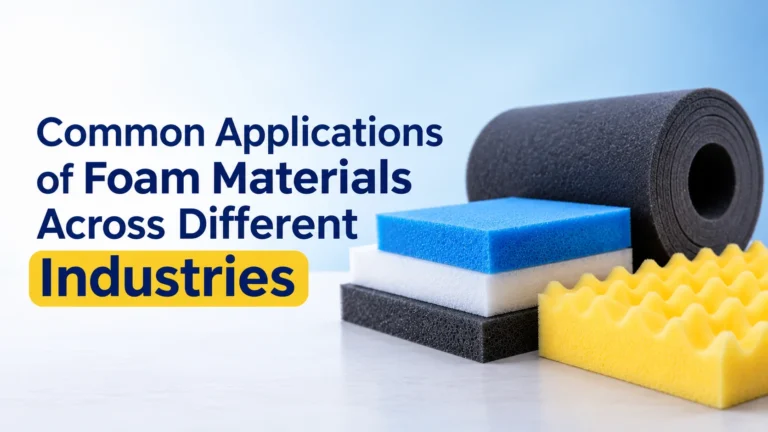
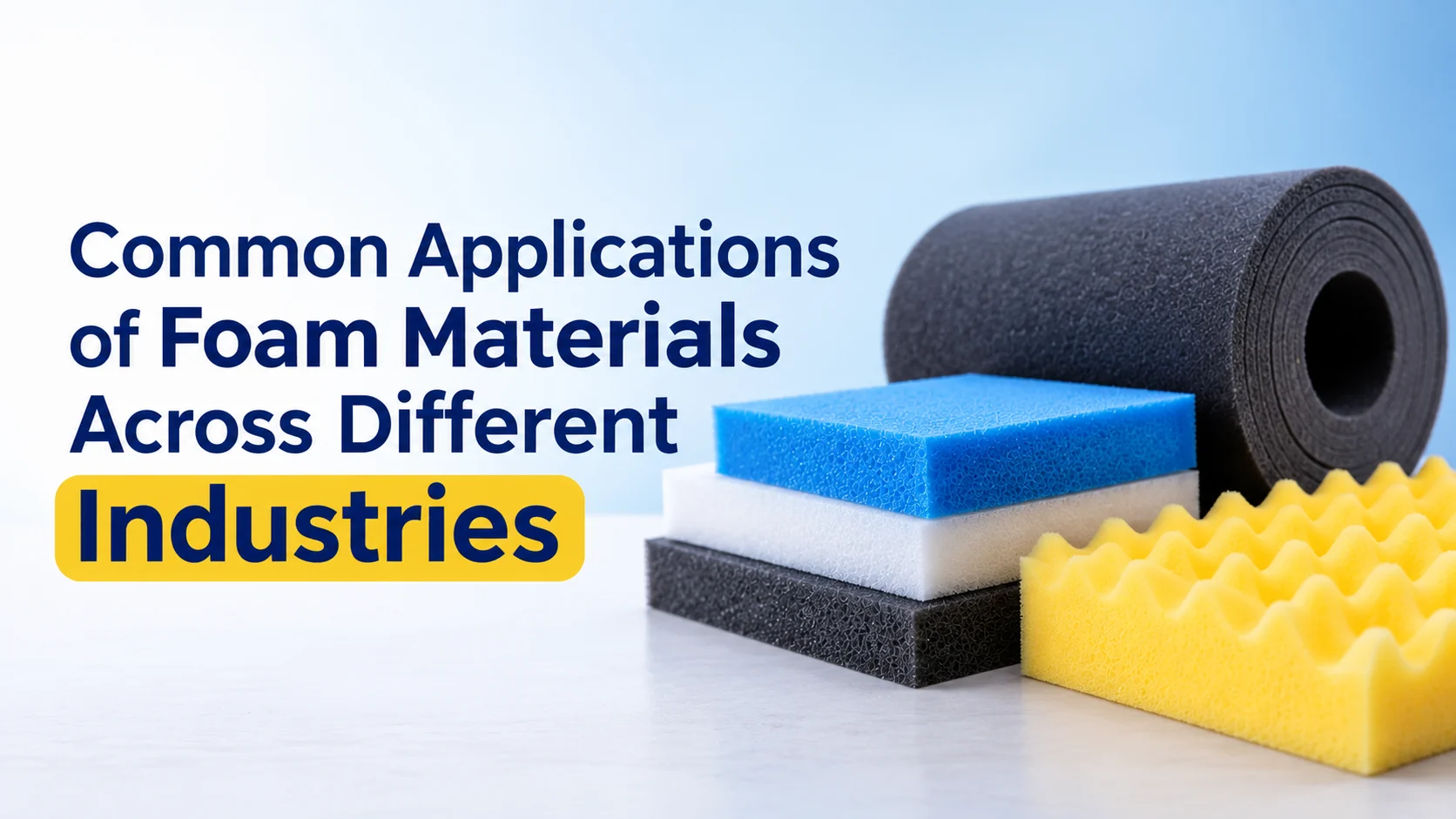
Foam materials serve many every day and industrial uses, including vehicle filters, cushions, sponges and water filtration. Depending on their structure, they trap particles, cushion, absorb liquids or protect sensitive components.
The right foam depends on where and how it will be used. Factors such as density, pore size, thickness, flexibility and moisture resistance can affect how well it works. Manufacturers should check these properties to find a material that suits their product and its working conditions.
Today, foam is used across several industries, including automotive, healthcare, construction, electronics, furniture and water treatment. Each sector has different requirements, which is why manufacturers use different foam grades and structures. Understanding these uses also helps businesses explore suitable foam solutions for their products and manufacturing processes.
Automotive Industry: Supporting Filtration And Comfort
The automotive industry uses foam in several vehicle components. It can help trap dust, reduce noise, provide cushioning and protect certain parts from external particles. The type of foam depends on the component and the conditions it must handle.
One common use is vehicle filtration. Foam placed in an intake system helps capture dust and other particles before they enter the engine. The material must allow sufficient airflow while retaining unwanted particles. This makes filter foam useful in selected automotive filtration systems.
Other applications include:
- Engine Intake Systems: Foam filters help catch dust and debris before they enter the engine.
- Cabin Filtration: Selected foam grades can support pre-filtration in vehicle ventilation systems.
- Seating and Interiors: Flexible foam provides cushioning in seats, armrests and other interior parts.
- Noise Control: Certain foam components help reduce unwanted sound and vibration inside vehicles.
Manufacturers must consider temperature, moisture exposure and available space when selecting foam. A material suitable for a seat may not work well in an engine filtration unit.
HVAC Systems: Maintaining Clean Airflow
Heating, ventilation and air conditioning (HVAC) systems need a steady flow of clean air. However, dust, fibres and other particles can enter through ventilation openings. Filters help control these particles and protect the equipment.
Air filter foam is used in selected HVAC units, ventilation equipment and appliance filters. Its open-cell structure allows air to pass through while providing a surface that can capture particles. The pore size and thickness must match the filtration needs of the system.
Common applications include:
- Residential and commercial air conditioning units
- Ventilation systems
- Air handling equipment
- Refrigerator filters
- Selected purification units
The correct foam grade should not restrict airflow beyond the limits of the equipment. A material that is too dense may increase resistance and affect system performance. On the other hand, pores that are too large may allow unwanted particles to pass through.
Healthcare And Medical Equipment: Supporting Filtration
Healthcare facilities use different materials to support clean environments and the proper functioning of medical equipment. Foam can be used in selected devices where controlled airflow, particle capture or cushioning is required.
Some examples include respiratory equipment, medical device vents and protective components. In these applications, the material must meet the equipment’s design and safety requirements. Not every general-purpose foam is suitable for medical use. Its grade, testing and applicable standards must be checked before selection.
A foam material application in medical equipment may include:
- Pre-filtration components in selected devices
- Protective padding for medical equipment
- Dust-control components in device enclosures
- Foam inserts used to hold delicate instruments
The choice depends on the intended use, cleaning process and level of contact with the patient or medical environment. Manufacturers must also consider hygiene and regulatory requirements.
Water Treatment and Aquaculture: Supporting Water Filtration
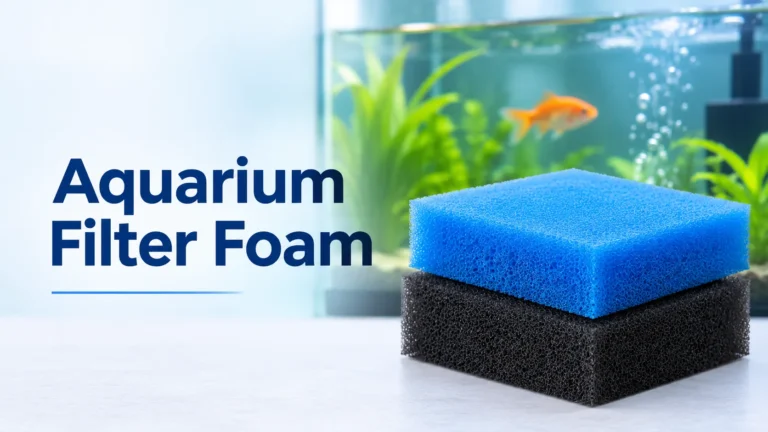
Foam is widely used in systems that filter water. Aquariums, fish tanks and ponds need proper filtration to remove waste and suspended particles. Certain open-cell polyurethane foams can support this process.
Water can flow through the material via its interconnected pores. At the same time, the foam provides a surface where waste particles can collect. In biological filtration systems, the porous structure can also provide space for beneficial bacteria to grow.
Common applications include:
- Aquarium filter inserts
- Pond filtration units
- Fish farming systems
- Water circulation equipment
- Selected industrial liquid filtration units
The pore size should match the filtration needs. Coarser foam may allow faster water movement and collect larger debris, while finer grades can retain smaller particles. The final result also depends on the filter design and water flow rate.
A suitable choice of foam solutions should consider water exposure, cleaning frequency and the working environment. Polyether polyurethane foam is often considered for wet applications because of its resistance to hydrolysis. However, the exact grade should always be checked against operating conditions.
Furniture And Bedding: Providing Everyday Comfort
Furniture manufacturers use foam to make seating products comfortable and practical. It is found in sofas, chairs, mattresses, cushions, headrests and other padded products. Its softness, thickness and density influence how the finished product feels.
Different furniture products need different properties. A sofa cushion may require good support and shape retention, while a backrest may need a softer feel. Mattress manufacturers also select foam based on the level of support and comfort required.
Outdoor furniture has additional needs. Cushions placed on balconies, patios and garden seating areas may meet rain or moisture. Open-cell quick-dry foam allows water to drain through its structure, helping the cushion dry faster.
The main factors considered during selection include:
- Density and firmness
- Thickness and shape
- Compression and recovery
- Moisture exposure
- Expected usage and durability
The right foam material for application depends on the product design and how people will use it. A material designed for indoor seating may not perform in the same way when exposed to outdoor conditions.
Electronics And Electrical Equipment: Protecting Sensitive Parts
Electronic products contain small and sensitive components that may need protection from dust, moisture and external movement. Foam serves as a supporting material in selected electronic assemblies.
For example, foam inserts are used in packaging to hold devices in place during storage and transportation. They help reduce the impact of minor shocks and prevent products from moving inside their packaging.
Other applications include:
- Microphone windshields that help reduce wind noise
- Vent filters that help limit dust entry
- Protective inserts for electronic equipment
- Sealing components in selected enclosures
- Acoustic foam in suitable sound-related products
The material must suit the equipment’s design. In a microphone, it should reduce unwanted wind noise without affecting sound capture. In an electronic enclosure, it should provide the required dust protection without blocking necessary ventilation.
The industrial foam application in electronics therefore depends on factors such as ventilation, acoustic needs, dimensions and the operating environment.
Construction And Building Systems: Providing Insulation And Sealing
Foam materials are used in different parts of buildings and construction products. Depending on their composition, they can help with insulation, sealing, cushioning and sound control.
Some foam types are placed around doors, windows and other building components to reduce gaps. Others are used inside walls, panels or equipment to support insulation. Flexible foam can also protect building materials during storage and transportation.
Common uses include:
- Sealing gaps around selected building components
- Insulation in suitable building panels
- Protective padding for construction products
- Acoustic treatment in selected indoor spaces
- Cushioning in equipment and building assemblies
The material must suit the conditions in which it will be installed. Moisture, temperature changes, pressure and sunlight can affect its performance. Fire safety requirements are also important when selecting materials for buildings.
Air filter foam may also be used in selected ventilation components within building systems. However, the grade must match the equipment’s filtration requirements and should not restrict the required airflow.
Industrial Filtration and Manufacturing: Supporting Equipment Performance
Many manufacturing processes generate dust, debris and other unwanted particles. These can affect equipment operation and the quality of finished products. Foam-based filtration components help manage some of these particles.
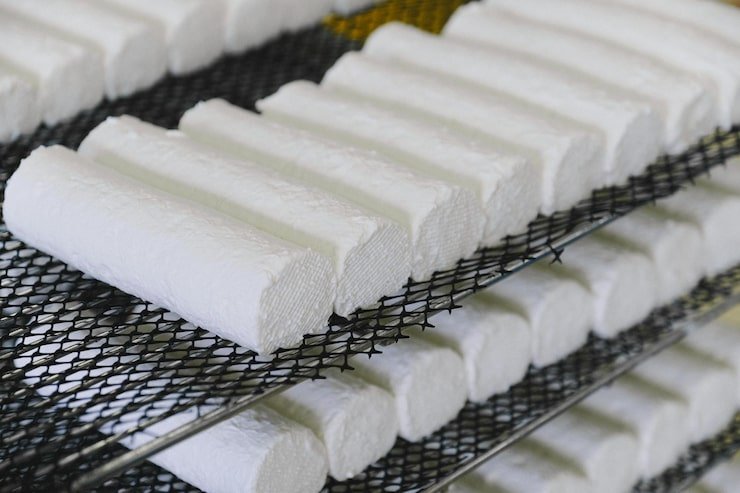
Open-cell polyurethane foam is useful in selected filtration systems because its connected pores allow fluids to pass through. Its structure also provides a surface where particles can collect.
Examples of its use include:
- Dust filtration in selected industrial equipment
- Machine intake filters
- Liquid filtration units
- Protective filters for equipment enclosures
- Filtration components in processing systems
In these settings, industrial foam application depends on the type of particles being filtered, the flow rate and operating conditions. Manufacturers must also consider how often the filter needs cleaning or replacement.
For example, a foam component used in a dusty production area may need a different pore size from one used in a ventilation unit. Choosing the right grade helps the filtration system perform as intended. A suitable filter foam grade must also match the equipment’s design and maintenance requirements.
The same applies when selecting a foam material application for liquid filtration. Water movement, particle size and exposure to different substances should be checked before choosing the material.
Cleaning And Household Products: Making Daily Tasks Easier
Foam’s flexible structure makes it useful in cleaning sponges, scrubbers and pads. Depending on the type, it absorbs liquids, holds cleaning solutions or removes dirt.
Household cleaning sponges are used for washing dishes, wiping surfaces and cleaning kitchen equipment. Industrial cleaning products may require stronger materials that can handle frequent use and specific cleaning conditions.
Some common applications include:
- Kitchen cleaning sponges
- Surface cleaning pads
- Industrial cleaning scrubbers
- Cleaning tools for equipment
- Specialised foam pads for selected surfaces
Choose foam based on the cleaning task: use a soft sponge for delicate surfaces and firmer material for stubborn dirt. Consider the cleaning chemical, water exposure, and expected use.
These products show how foam material for application can vary based on the surface being cleaned and the level of cleaning required. Manufacturers can explore different foam solutions to develop products for household and industrial cleaning needs.
Factors To Consider When Selecting Foam Materials
Foam selection requires an understanding of the product, its working conditions and the performance expected from the material. Using the same grade across different applications may not give the desired results.
Manufacturers can consider the following factors before selecting:
| Selection Factor | What Manufacturers Should Check |
| Density | Whether the foam provides the required firmness and support |
| Pore Size (PPI) | Whether the openings suit the filtration or flow requirement |
| Thickness | Whether the material fits the product or equipment design |
| Flexibility | Whether the foam can |
For filtration products, pore size and airflow are especially important. A suitable filter foam grade should balance particle retention with the required flow. Similarly, air filter foam must match the equipment’s filtration needs without creating excessive airflow resistance.
Manufacturers should also review technical data sheets before finalising their choice. These documents provide useful details about composition, dimensions, density and other specifications. This helps them identify the right foam material application for their products.
Finding Foam Materials That Match Your Requirements
Foam serves different purposes across industries, from filtration and equipment protection to cushioning and cleaning. The right material depends on its intended use, working environment, and technical requirements. Understanding the air foam material application and checking factors such as density, pore size, thickness, and moisture resistance can help manufacturers choose suitable foam for their needs.
Karefoam manufactures reticulated polyurethane foam for different filtration and industrial requirements. They offer filter foam in different pore sizes, densities, thicknesses, and formats. Their product range also includes air filter foam for selected automotive, HVAC and other filtration systems. They provide customized options to help businesses find suitable foam material for applications in their products.
Their team also supports buyers looking for industrial foam application materials and suitable foam solutions for their manufacturing needs.
Businesses can explore their reticulated PU filter foam range to understand the available options and discuss their requirements.