A healthy aquarium needs more than clean-looking water. Fish and aquatic plants need a stable environment where waste is removed, water can circulate, and beneficial bacteria can grow. The filtration material used inside the filter plays an important role in maintaining this balance.
One common question among aquarium owners is: Is filter foam safe for fish? The answer depends on the foam’s material, quality and intended use. Foam designed for aquatic filtration can trap waste and provide a surface for beneficial bacteria. However, not every foam product is suitable for continuous contact with aquarium water.
Before choosing a filtration material, it is important to understand its structure, properties and safety requirements. This guide explains how aquarium filter foam works, how it affects fish and plants, and what to check before buying it.
What Makes Filter Foam Suitable for Aquariums?
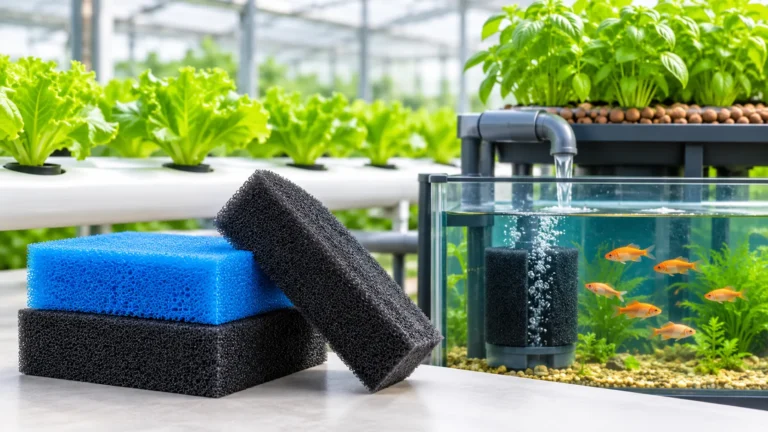
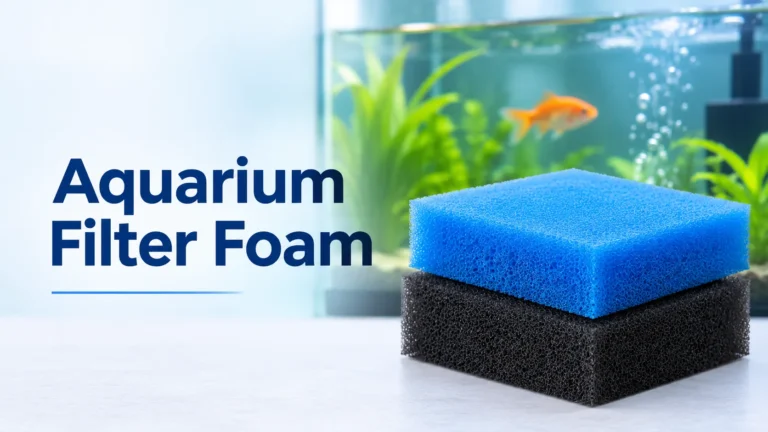
Filter foam is a porous material that allows water to pass through while trapping unwanted particles. Its open-cell structure makes it useful in different filtration systems, including home aquariums, fish tanks and ponds.
Good-quality aquatic filter foam supports two important functions: mechanical and biological filtration. It catches solid waste while providing a surface for beneficial bacteria to grow.
When selecting fish tank filter foam, check the following properties:
- Open-cell structure: Allows water to pass through the material.
- Suitable pore size: Helps capture particles of different sizes.
- Material stability: Should maintain its structure during regular contact with water.
- Durability: Should withstand routine cleaning and handling.
- Consistent quality: Should not release loose particles during normal use.
A product described as aquarium filter foam safe should also have clear material specifications. Its suitability should be confirmed by the manufacturer rather than judged only by its appearance.
Is Every Type of Foam Safe for Fish?
No. Foam products are manufactured for different applications, and their materials may have different properties. Foam used in furniture, packaging or general cleaning may contain additives, coatings or adhesives that have not been assessed for aquarium use.
So, is filter foam safe for aquarium applications? It can be, provided the material is specifically suitable for contact with aquarium water.
Before using a foam product, check these points:
- Material composition: Ask the manufacturer about the base material and any additives used.
- Chemical stability: Confirm that the material will not release unwanted substances into the water under normal operating conditions.
- Water resistance: Check whether it can maintain its structure during continuous exposure to water.
- Manufacturing quality: Look for consistent pore structure and a suitable finish.
- Intended application: Confirm that the product is made for aquatic filtration.
Choosing fish safe filter foam requires more than checking whether the product is washable or reusable. These features do not automatically make a material suitable for fish tanks.
A non-toxic filter foam sheet should have clear product information and manufacturer confirmation of its intended use.
How Does Filter Foam Help Maintain Water Quality?
An aquarium filter helps control waste and supports the biological processes needed to maintain water quality. Foam plays an important role in this process.
There are two main ways it works.
- Mechanical Filtration
As water passes through the foam, its pores trap suspended particles. These may include:
- Uneaten fish food.
- Fish waste.
- Dead plant matter.
- Small pieces of dirt and debris.
This reduces the amount of solid waste circulating in the tank. It also helps prevent larger particles from reaching other filter components.
- Biological Filtration
The porous surface of the foam provides space for beneficial bacteria to grow. These bacteria help break down ammonia and nitrite produced by fish waste and decaying organic matter.
Ammonia and nitrite can harm fish when their levels become too high. Beneficial bacteria convert these compounds into nitrate as part of the aquarium nitrogen cycle.
The effectiveness of aquatic filter foam depends on its structure, water flow and maintenance. However, foam does not remove every dissolved pollutant. Some filtration systems may need additional media to meet specific water treatment requirements.
Can Filter Foam Affect Aquarium Plants?
Aquatic plants need suitable light, nutrients, water movement and stable water conditions. A filtration system helps maintain these conditions by controlling suspended waste and supporting beneficial bacteria.
However, filter foam does not directly supply nutrients to plants. Its role is to support filtration and help maintain water quality.
When selecting foam solutions for planted aquariums, consider these factors:
- Water movement: The filter should provide sufficient circulation without creating a strong current around delicate plants.
- Plant waste: Dead leaves and small plant pieces can collect inside the foam.
- Material safety: The foam should be suitable for contact with aquarium water.
- Maintenance: The material should be easy to inspect and clean.
The same care is needed when using cleaning sponges or other accessories around an aquarium. Household cleaning products, soaps and detergents should never come into contact with aquarium equipment.
How to Choose the Right Foam for Your Fish Tank
The right foam depends on the aquarium size, filter design, fish population and amount of waste produced. A small home tank may need a different filtration grade from a large pond or commercial aquarium.
Use the following factors when comparing products:
| Selection Factor | What to Consider |
| Material | Confirm suitability for aquarium use. |
| PPI | Match pore size with the filtration requirement. |
| Thickness | Ensure that the foam fits the filter housing. |
| Density | Consider water flow, particle capture and cleaning needs. |
| Durability | Check its ability to withstand regular use. |
| Shape | Select sheets, blocks or custom-cut pieces as required. |
Understanding PPI and Foam Structure
PPI stands for pores per inch. It indicates the number of pores present within one inch of foam.
A lower PPI generally means larger pores, while a higher PPI indicates smaller pores. This affects how water moves through the material and how it captures particles.
- Coarse foam can trap larger particles and generally allows easier water movement.
- Medium-grade foam offers a balance between particle capture and water flow.
- Fine foam can capture smaller particles but may become clogged more quickly.
When choosing fish tank filter foam, remember that finer pores are not always better. The right grade depends on the filter design and the amount of waste in the aquarium.
Karefoam lists aquatic foam options across different PPI grades, including 10 to 100 PPI. Buyers should confirm the suitable grade according to their filtration requirements.
What Precautions Should You Take Before Using Filter Foam?
Even suitable foam needs proper handling before and during use. New material may contain dust or loose particles from manufacturing, cutting or packaging.
Follow these precautions before installing it:
- Check the specifications: Confirm the material and its intended application.
- Rinse before use: Use clean, dechlorinated water to remove loose particles.
- Avoid chemical cleaners: Do not use soap, detergents or household cleaning agents.
- Check water flow: Make sure the foam does not restrict the filter.
- Inspect regularly: Look for damage, crumbling or excessive dirt.
- Clean carefully: Rinse established biological filter media using removed aquarium water.
Cleaning foam under untreated tap water may expose beneficial bacteria to chlorine or chloramine. This can affect biological filtration.
If the foam is being used as biological media, avoid replacing all established filter material at once unless there is a specific contamination or safety concern. A sudden loss of beneficial bacteria can disturb the aquarium’s biological balance.
These precautions also help maintain fish safe filter foam during regular use.
Where Can You Find Suitable Aquarium Filter Foam?
Finding the right supplier is important, especially when you need foam for a specific filter design or commercial application.
If you are looking for aquarium safe filter foam in India, compare suppliers based on their material information, available PPI grades, manufacturing capabilities and customisation options.
Before you buy fish safe filter foam online, check:
- Whether the manufacturer confirms its suitability for aquatic use.
- Which base materials and PPI grades are available.
- Whether different thicknesses and sizes can be supplied.
- Whether the foam can be customized for specific filter designs.
- Whether technical details are available before purchase.
These checks are useful for aquarium owners as well as manufacturers developing filtration equipment.
A non-toxic filter foam sheet should have suitable material specifications, while its actual performance should be assessed according to the filtration system.
Making the Right Choice for Your Aquarium
Choosing filtration material requires attention to both safety and performance. Suitable foam can trap solid waste, support beneficial bacteria and help maintain stable water conditions.
Whether you maintain a home aquarium or manufacture filtration equipment, always check the product specifications before selecting foam. Regular cleaning and proper maintenance are equally important for keeping the filtration system effective.
For businesses looking for customized foam solutions, Karefoam offers reticulated polyether foam in different PPI grades, sizes and densities. They provide customized options for aquarium equipment manufacturers, water purification OEMs and other filtration applications. Their range of cleaning sponges and other specialized foam products also serves different industrial requirements.
If you need aquatic filter foam for a particular application, Karefoam can help you explore suitable product specifications. You can visit their Aquatic Filter Foam page to learn more about their available options and discuss your requirements with their team.