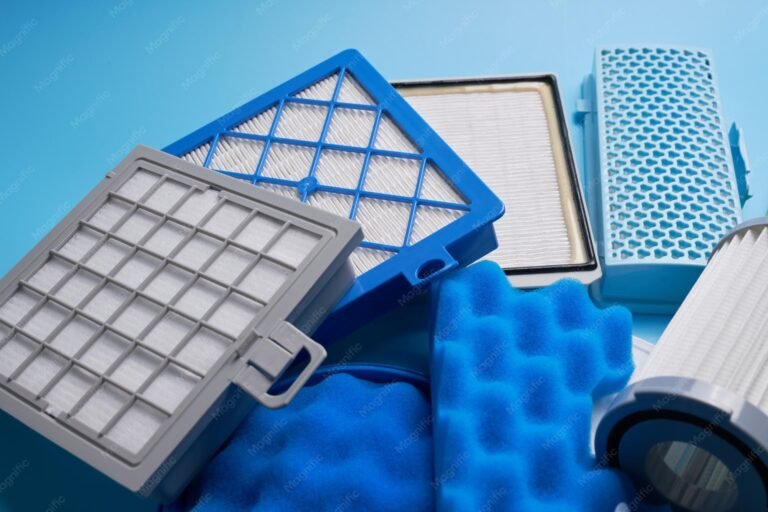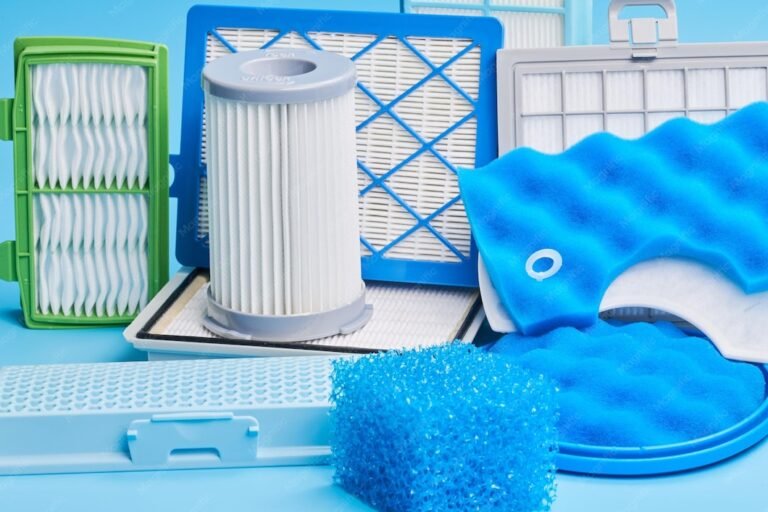
Businesses across industries use foam in more ways than many people realize. It is found in filtration systems, furniture, automotive parts, packaging, cleaning products, paint rollers, and industrial equipment. However, every application has different requirements. A standard foam product may not always deliver the right performance. This is why many companies work with experienced manufacturers that can produce application-specific foam products.
Choosing the right partner is not only about buying foam. It is about finding a manufacturer who understands material properties, product design, and production requirements. From selecting the right density to creating custom shapes, the right manufacturer helps businesses improve quality, reduce waste, and achieve better product performance.
Why Standard Foam Does Not Suit Every Application
Every industry has different operating conditions. Some products require better airflow, while others need higher durability or water resistance. Using the wrong foam can affect the performance of the final product. This is where Custom foam solutions become important. They are designed around the exact needs of the application instead of following a one-size-fits-all approach.
Many businesses also prefer Industrial foam solutions because they help improve product consistency and reduce unnecessary material usage. Custom-designed foam supports better efficiency across manufacturing and product development.
What An Industrial Foam Manufacturer Offers
An experienced industrial foam manufacturer does much more than supply raw material. They understand how different foam grades perform in different environments and recommend suitable options for each application.
A reliable Foam manufacturer also provides support during material selection, product development, and manufacturing.
Their services often include:
- Material selection
- Foam conversion
- Custom cutting
- Die-cutting
- Lamination
- Adhesive-backed foam
- Prototype development
- Bulk production
These capabilities make it easier for businesses to source complete foam solutions from a single manufacturing partner.
Benefits Of Custom Foam Fabrication
Every product has its own dimensions, shape, and performance requirements. A ready-made foam sheet may require extra cutting or may not fit properly.
This is why Custom foam fabrication is preferred across many industries.
Some of its advantages include:
- Better product fit
- Reduced material wastage
- Faster assembly
- Consistent quality
- Improved product performance
A skilled Polyurethane foam manufacturer can produce foam in different densities, thicknesses, and profiles based on customer requirements.
This helps manufacturers save both production time and overall costs.
Industries That Depend on Custom Foam Products
Foam has become an important material across many industries because of its flexibility and performance.
Some common sectors include:
| Industry | Common Foam Applications |
| Automotive | Air filters, seals, insulation |
| HVAC | Air filtration media |
| Furniture | Cushions and support foam |
| Packaging | Protective inserts |
| Cleaning | Sponges and scrub pads |
| Paint Industry | Roller foam products |
Each industry requires different Industrial foam solutions based on product performance and operating conditions.
This is why businesses often choose an experienced Foam manufacturer instead of buying generic foam materials.
Why Polyurethane Foam Is Widely Used
Polyurethane foam is known for its versatility. It can be manufactured in different densities and structures to suit various industrial applications.
A dependable Polyurethane filter foam manufacturer understands how to modify foam properties according to customer needs.
Some benefits include:
- Lightweight structure
- Good durability
- Easy fabrication
- Flexible design options
- Long service life
These qualities make polyurethane one of the most widely used materials for industrial foam solutions.
The Value of Technical Expertise
Selecting foam is not simply about choosing thickness or colour. Factors such as density, pore size, airflow, compression, and recovery all affect performance.
An experienced industrial foam manufacturer helps businesses understand these technical aspects before production begins.
Working with a knowledgeable Foam manufacturer reduces product development challenges and improves long-term reliability.
Technical guidance also helps businesses avoid costly design changes later.
How Custom Foam Improves Product Performance
Well-designed foam contributes directly to product quality.
For example:
- Better sealing performance
- Improved filtration efficiency
- Enhanced cushioning
- Lower vibration
- Longer product life
These benefits are possible because Custom foam solutions are designed around the actual operating environment rather than using standard materials.
Likewise, Custom foam fabrication ensures accurate dimensions, helping products fit correctly during assembly.
Why Consistency Matters in Industrial Manufacturing
Manufacturers need every batch to perform the same way. Even small variations in foam quality can affect production and product reliability. This is one reason businesses work with an established Polyurethane foam manufacturer.
A trusted manufacturing partner follows quality processes that deliver consistent foam properties across production batches. Reliable Industrial foam solutions also reduce product rejection and improve manufacturing efficiency.
Texture paint roller foam and Other Specialised Applications
Foam is also used in specialised products where surface quality is important. Texture paint roller foam is designed to create decorative finishes while providing even paint distribution.
Unlike general foam, this material is developed specifically for paint application and repeated use. Manufacturers offering Texture paint roller foam often customise foam density and texture based on the desired finish.
This shows how specialised foam products can improve the performance of everyday industrial and commercial applications.
Choosing The Right Manufacturing Partner
Finding the right supplier involves more than comparing prices.
Businesses should evaluate:
- Manufacturing experience
- Product quality
- Customisation capability
- Technical support
- Production capacity
- Consistency across batches
A trusted industrial foam manufacturer works closely with customers to develop practical foam solutions that match real application needs.
This partnership helps businesses improve product quality while reducing long-term operational costs.
A Smarter Approach to Custom Foam Manufacturing
The right foam material can improve product performance, simplify manufacturing, and support long-term reliability. Businesses benefit when they invest in Custom foam solutions that are designed for their exact application instead of relying on standard materials. Working with an experienced Foam manufacturer also makes it easier to select suitable materials, improve production efficiency, and achieve consistent quality.
Reliable Industrial foam solutions and accurate Custom foam fabrication help industries reduce waste, improve product fit, and maintain consistent performance. A knowledgeable Polyurethane foam manufacturer brings technical expertise, manufacturing capability, and quality control together to deliver dependable foam solutions for a wide range of industries. Whether it is filtration, packaging, furniture, or Texture paint roller foam, choosing the right manufacturing partner creates long-term value.
Karefoam manufactures polyurethane foam products for industrial applications with a strong focus on customised solutions. They support businesses with application-specific foam products, precision fabrication, and consistent manufacturing standards. Their experience across multiple industries enables them to provide foam solutions that meet practical performance and production requirements.