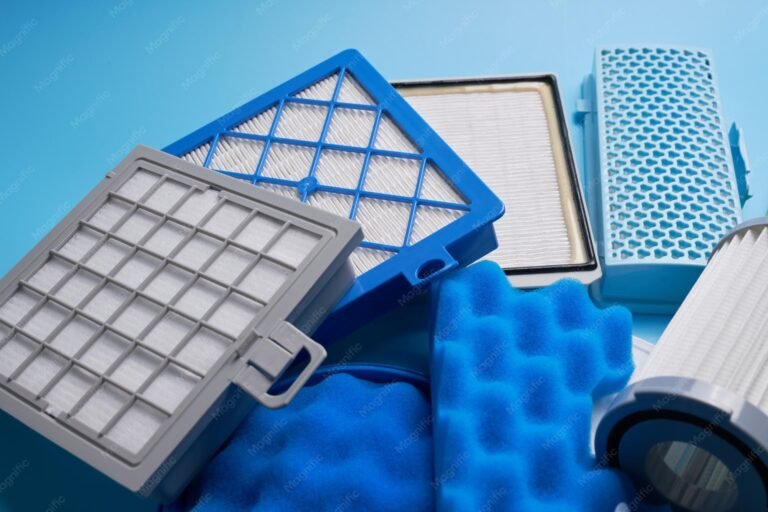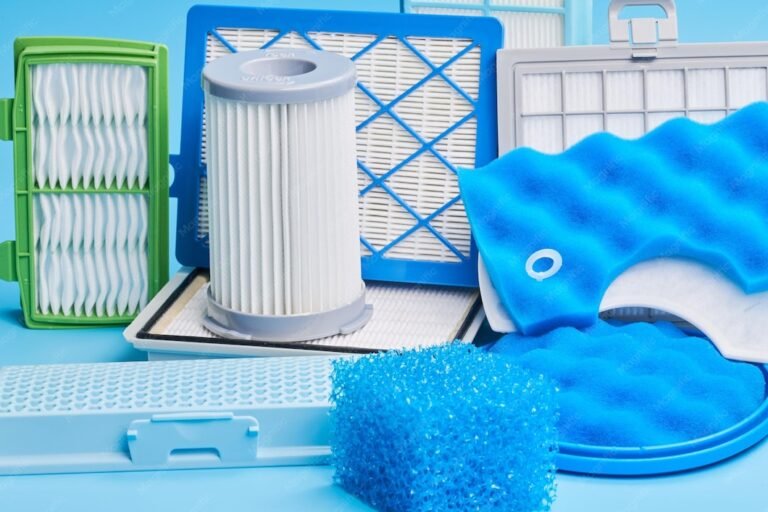
Maintaining a clean and healthy aquarium is essential for the well-being of fish and aquatic plants. One of the most important parts of any aquarium filtration system is aquarium filter foam. The right aquarium sponge filter foam helps remove waste, improve water clarity, and support beneficial bacteria growth inside fish tanks.
Whether you own a freshwater aquarium, planted tank, or decorative fish tank, choosing the best fish tank filter foam can improve filtration performance and help maintain healthier aquatic environments.
In this guide, we will explain how to choose the best aquarium filter foam, its benefits, foam types, cleaning methods, and important factors to consider before buying aquarium filtration foam.
What Is Aquarium Filter Foam?
Aquarium filter foam is a porous filtration material used inside aquarium filters to trap dirt, fish waste, leftover food, and debris from water. It acts as mechanical filtration media and also supports biological filtration by providing a surface for beneficial bacteria growth.
Aquarium filter sponge material is commonly used in:
- Freshwater aquariums
- Sponge filters
- Breeding tanks
- Internal aquarium filters
- External filtration systems
Good aquarium sponge filter foam improves water quality while maintaining proper water flow inside the tank.
Aquarium Foam Filter Benefits for Healthy Fish Tanks
Using high-quality aquarium filter sponge material offers several important benefits for aquarium owners.
Keeps Aquarium Water Clean
Fish tank filter foam captures waste particles and dirt before they spread throughout the aquarium. This helps maintain cleaner and clearer water.
Supports Beneficial Bacteria Growth
One of the biggest aquarium foam filter benefits is its ability to support beneficial bacteria colonies. These bacteria help break down harmful toxins like ammonia and nitrites inside fish tanks.
Improves Fish Health
Clean water reduces stress and disease risks in fish. Proper aquarium filtration foam also improves oxygen circulation inside the aquarium.
Safe for Small Fish and Shrimp
Soft aquarium sponge filter foam is safe for baby fish, shrimp, and delicate aquatic species because it prevents them from getting trapped in filtration systems.
Types of Aquarium Filter Foam
Different aquarium setups require different filtration foam types.
Coarse Aquarium Filter Foam
Coarse aquarium filter foam contains larger pores and is ideal for removing bigger debris particles.
Best for:
- Large aquariums
- Heavy waste filtration
- High water flow systems
Fine Aquarium Sponge Filter Foam
Fine foam has smaller pores that help improve water clarity by trapping fine particles.
Best for:
- Crystal-clear water
- Small fish tanks
- Fine mechanical filtration
Reticulated Aquarium Filtration Foam
Reticulated foam has an open-cell structure that improves water flow and beneficial bacteria growth.
Best for:
- Freshwater aquariums
- Saltwater tanks
- Long-term biological filtration
How to Choose the Best Filter Foam for Aquarium Tanks
Choosing the best aquarium filter foam depends on several important factors.
Aquarium Size
Large aquariums usually require thicker and more durable aquarium filter sponge material for better filtration performance. Smaller tanks can work well with medium-density foam.
Foam Density (PPI)
Foam density is measured using PPI (pores per inch).
- Low PPI = coarse filtration
- High PPI = fine filtration
Medium-density aquarium sponge filter foam is often preferred because it balances water flow and filtration efficiency.
Freshwater Aquarium Filter Foam Requirements
Freshwater aquarium filter foam should provide balanced filtration while maintaining proper oxygen flow and beneficial bacteria growth.
Freshwater tanks generally perform well with medium-density filtration foam.
Water Flow
The best filter foam for aquarium tanks should allow smooth water circulation without blocking filtration systems.
Overly dense foam may reduce oxygen supply and filtration performance.
Aquarium Filter Foam vs Sponge Filters
Many aquarium owners confuse aquarium filter foam with sponge filters.
| Aquarium Filter Foam | Sponge Filter |
|---|---|
| Filtration material | Complete filtration device |
| Used inside filters | Air-powered filtration system |
| Supports mechanical filtration | Supports biological filtration |
| Available in custom sizes | Mostly fixed structure |
Both can work together for better aquarium filtration performance.
How to Clean Aquarium Filter Foam Properly
Proper maintenance is important for extending the life of aquarium filter sponge material.
Follow These Steps:
- Remove the aquarium foam carefully
- Rinse it using old aquarium water
- Avoid using tap water or detergents
- Gently squeeze out trapped debris
- Reinstall the foam inside the filter
Using soft cleaning sponges during aquarium maintenance can help remove algae, dirt, and debris from filter surfaces without damaging the aquarium sponge filter foam. Many aquarium owners prefer gentle cleaning sponges for safely maintaining fish tanks and filtration systems.
Learning how to clean aquarium filter foam properly helps preserve beneficial bacteria and improve filtration efficiency.
Common Aquarium Filter Foam Mistakes to Avoid
Many aquarium owners reduce filtration performance because of simple maintenance mistakes.
Avoid:
- Using incorrect foam density
- Cleaning foam with chlorinated water
- Ignoring regular maintenance
- Replacing aquarium sponge filter foam too frequently
- Blocking water circulation completely
Proper maintenance helps improve aquarium stability and fish health.
Best Aquarium Filter Foam for Different Fish Tanks
Freshwater Aquariums
Medium-density aquarium filter sponge material works well for most freshwater aquariums.
Shrimp Tanks
Soft aquarium filtration foam is safer for shrimp and baby fish because it provides gentle filtration.
Large Community Tanks
Coarse fish tank filter foam improves debris removal and supports stronger water circulation.
Final Thoughts
Choosing the best aquarium filter foam is essential for maintaining healthy fish tanks and improving water quality. The right aquarium sponge filter foam helps remove waste, support beneficial bacteria growth, and create a cleaner environment for aquatic life.
Whether you own a freshwater aquarium, breeding tank, or decorative fish tank, selecting quality fish tank filter foam can improve long-term aquarium maintenance and filtration performance.
Understanding foam density, filtration requirements, and proper cleaning methods will help aquarium owners build more effective filtration systems and maintain healthier aquariums for years.