Do you want foam that works perfectly every time? Learn the key properties of polyurethane and its practical applications.
Polyurethane is a versatile material used across industries for its unique combination of strength, flexibility, and durability. Its adaptability allows manufacturers to create foams, coatings, and adhesives that meet precise performance requirements. Understanding the properties of polyurethane is essential for choosing the right material for any project.
From automotive seating to filtration systems, polyurethane plays a vital role in modern manufacturing. Its controlled density and customizable structure make it suitable for applications that demand both comfort and resilience. Knowing the polyurethane material properties helps engineers and designers ensure long-lasting and efficient solutions.
Beyond industrial use, polyurethane also enhances everyday products. From mattresses to sports gear, its performance characteristics improve comfort, safety, and durability. Exploring the applications of polyurethane provides insight into why this material remains a preferred choice across sectors.
What is Polyurethane?
Polyurethane is a synthetic material made from chemical reactions between polyols and isocyanates. It can be engineered in different forms to suit many uses.
Key points about polyurethane:
- Flexible or rigid: Can be soft for cushions or hard for structural parts.
- Foam or solid: Available as foams, coatings, adhesives, or elastomers.
- Customizable: Density, hardness, and porosity can be adjusted.
- Durable: Resistant to wear, chemicals, and temperature changes.
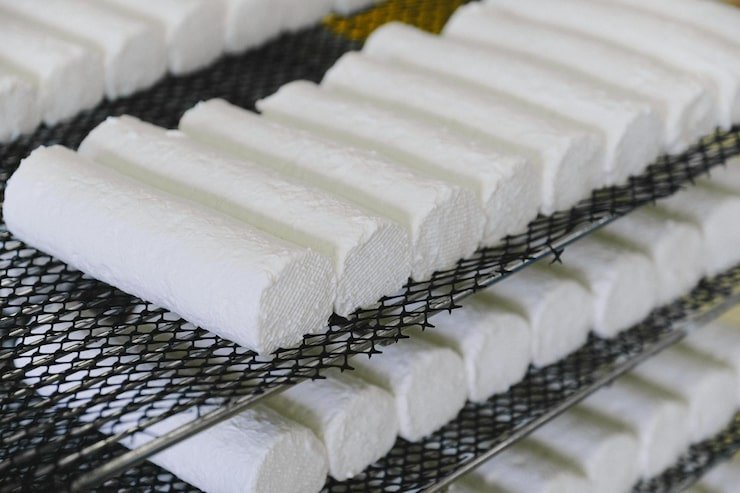
There is also reticulated polyurethane foam, which has an open-cell structure. It allows air and water to pass through, making it ideal for filters and industrial applications.
Polyurethane is widely used because it combines strength, comfort, and adaptability. Manufacturers can tailor it to meet specific project needs, from industrial machinery to everyday products.
Advanced Properties of Polyurethane
Polyurethane is more than just foam. Its engineering allows precise control over structure and performance. These advanced properties make it a preferred choice in technical and industrial applications.
Key advanced properties:
Controlled Density:
Polyurethane can be made light or dense. Low-density foams cushion gently, while high-density foams support heavy loads.
Reticulation Control:
Open-cell reticulated foams let air and liquids pass through. This makes them perfect for filtration, ventilation, and water treatment.
Compression Set Resistance:
Polyurethane can return to its original shape after repeated compression. Ideal for gaskets, seals, and cushioning.
Tunable Hardness:
Foam hardness can be adjusted during manufacturing. It allows applications ranging from soft mattress toppers to rigid insulation panels.
Hydrophilic & Hydrophobic Variants:
Polyurethane can absorb water or repel it. Hydrophilic foams enhance filtration, while hydrophobic foams prevent moisture damage.
Dimensional Stability:
Polyurethane maintains its size and shape even under heat, moisture, or mechanical stress. This is critical for long-lasting industrial parts.
These properties show how polyurethane can be tailored for precise needs. Choosing the right grade helps ensure safety, efficiency, and long use in every application. A trusted reticulated polyurethane foam supplier also helps match the right foam to each need. Its flexibility supports new product designs for both technical and daily use.
Specialized Applications of Polyurethane
From industrial machinery to everyday products, polyurethane proves its flexibility in countless ways. Its carefully engineered properties meet specific performance requirements. Designers and engineers use their adaptability to tackle challenging applications. By varying grades and structures, it can deliver both durability and efficiency.
1. Industrial Applications:
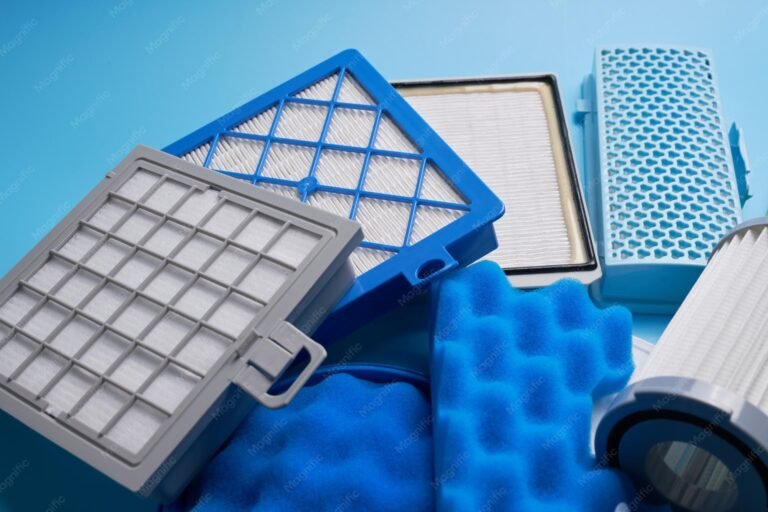
- Filtration: Reticulated foams improve air and water flow. Ideal for chemical and HVAC systems.
- Seals & Gaskets: High-resilience foams maintain shape under repeated pressure. Common in automotive and machinery.
- Insulation: Rigid foams reduce heat loss in appliances and industrial equipment.
2. Consumer Applications:
- Furniture & Bedding: Soft foams provide comfort in cushions and mattresses.
- Sports & Safety Gear: Shock-absorbing foams protect athletes in helmets, pads, and mats.
- Coatings & Adhesives: Polyurethane coatings safeguard surfaces from moisture and wear.
3. Specialized Industrial Solutions:
- Acoustic & Vibration Control: Foams reduce noise and vibrations in vehicles and appliances.
- Hydrophilic & Hydrophobic Variants: Certain foams absorb liquids, while others resist moisture.
- Custom Parts: Foam can be cut or shaped to meet precise industrial requirements.
These applications show the wide range of polyurethane uses in both daily life and technical projects. Working with an experienced polyurethane foam manufacturer ensures the right solution for each application.
Selecting the Right Polyurethane Solution
Choosing the correct polyurethane ensures optimal performance and longevity. Each application demands a different combination of density, hardness, and structure. Understanding key factors helps in making the best choice.
Step 1: Determine the Application Needs
- Identify whether the foam is for cushioning, filtration, insulation, or protection.
- Consider environmental factors like temperature, moisture, and chemical exposure.
Step 2: Choose the Appropriate Grade
- Flexible foams are ideal for seating, bedding, or protective padding.
- Rigid foams work best in insulation, structural panels, or industrial parts.
Step 3: Consider Reticulation and Porosity
- Open-cell foams allow air and liquids to pass through, making them useful in filters and ventilated systems.
- Closed-cell foams resist moisture and provide thermal insulation.
Step 4: Evaluate Durability and Performance
- Check compression set, resilience, and wear resistance for long-term use.
- Assess chemical and thermal resistance under harsh conditions.
Step 5: Consult with Manufacturers
- Experienced polyurethane filter foam can provide custom solutions.
- They ensure the right combination of properties, grade, and structure for your needs.
By following these steps, you can select a polyurethane solution that is safe, efficient, and long-lasting. The right choice improves performance while reducing maintenance and replacement costs.
Turning Polyurethane Expertise into Real-World Results
Polyurethane continues to stand out as a material that combines versatility, durability, and precise performance. Its specialized properties and wide-ranging applications make it an essential choice for industries and everyday products alike. Understanding its potential ensures smarter decisions in design and manufacturing.
For tailored solutions and high-quality products, KareFoam delivers a range of polyurethane foams engineered to meet specific requirements. From filtration systems to cushioning and insulation, the company ensures each grade and structure aligns with performance needs while maintaining reliability and consistency.
We focus on providing customized solutions that solve real-world challenges. Our team works closely with clients to select the right foam, optimize its properties, and ensure it performs efficiently in every application. With us, every polyurethane solution is designed for performance, reliability, and long-lasting results.