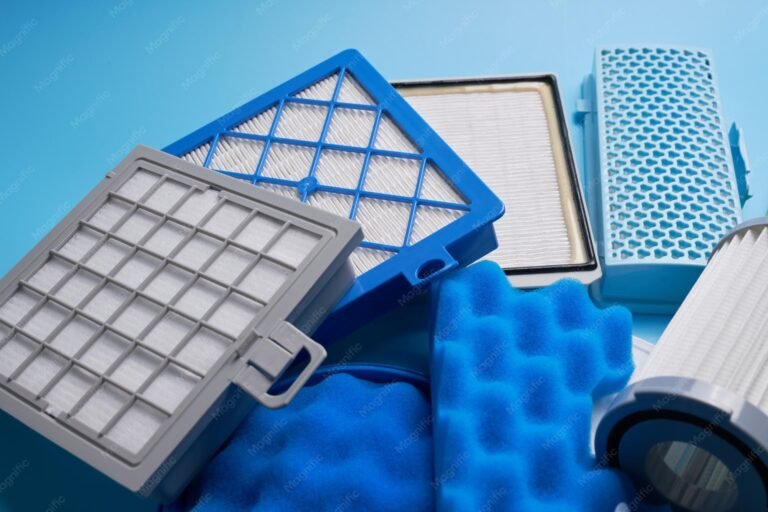
Choosing the right filter foam is not just about picking a material that looks suitable. It directly affects airflow, filtration quality, and system life. A small mistake in selection can reduce efficiency and increase maintenance needs.
In many industries, foam is used as a key part of filtration systems. From air handling units to water filters, the performance depends on how well the foam handles flow and particles. This is why understanding the basics of selection becomes important before making a decision.
A filter foam sheet is designed to allow controlled passage of air or liquid while trapping unwanted particles. But not all foam sheets perform the same way. Factors like density, pore size, and material type all play a role in final output.
This guide explains what to look for when choosing the right foam and how it impacts real-world filtration systems.
Understanding The Role of Foam in Filtration Systems
Foam is not just a support material. It is an active part of the filtration process.
A filter foam sheet works by creating a path where air or liquid flows through open cells. During this flow, particles get trapped inside the structure.
This makes it different from solid filters that block flow completely.
In most systems, filter foam is preferred because it offers a balance between airflow and particle capture. It does not fully restrict movement, which helps maintain system efficiency.
A good filtration foam should provide steady performance even after repeated use and cleaning cycles.
Key Material Properties That Matter
Not all foam is suitable for filtration use. The internal structure plays a big role in performance.
When selecting filter foam, these properties should be checked:
- Pore size consistency
- Compression strength
- Air permeability
- Moisture resistance
- Recovery after use
A well-designed filter foam sheet maintains its shape even under pressure. This ensures that filtration does not drop over time.
A poor-quality filtration foam may collapse or block airflow, which reduces system efficiency.
Why Reticulated Foam Is Preferred
Many industries prefer reticulated structures for filtration work. The reason is simple. It offers better control over airflow and particle capture.
An industrial filter foam made using reticulated structure has open and uniform cells. This allows for better flow and cleaner separation.
Foam filtration media made from this structure is also reusable. It can be washed and used again without losing much performance.
This makes it a cost-effective choice for long-term systems.
Matching Foam Type with Application
Different systems need different foam behavior. One type cannot fit all uses.
A filter foam sheet used in air systems will not be the same as one used in water filtration. The selection depends on:
- Type of fluid (air or liquid)
- Particle size
- Flow speed
- Pressure conditions
For example, HVAC systems need airflow-friendly filter foam, while water systems need stronger density control.
This is where working with a reticulated polyurethane foam supplier becomes important. They understand how foam structure affects performance in different environments.
A reliable supplier will always help match the right filtration foam with the application.
Density And Pore Size Selection
Density is one of the most important factors in foam selection. It decides how much material is packed inside the structure.
Lower density filter foam sheet allows more airflow but captures fewer particles. Higher density improves filtration but reduces flow.
Pore size works in a similar way. Fine pores trap smaller particles but restrict movement. Coarse pores allow smoother flow but lower filtration accuracy.
A balanced industrial filter foam is chosen based on system needs rather than general preference. Working with an experienced industrial foam manufacturer also helps ensure the foam meets the required density, pore size, and performance standards for the application.
A good foam filtration media design always matches density and pore size together for stable performance.
Importance Of Durability in Long-Term Use
Filtration systems often run continuously. This means foam must handle constant pressure and exposure.
A strong filter foam sheet should not break down quickly. It should retain the structure even after cleaning cycles.
Durability becomes even more important in industrial setups where downtime is costly.
A reliable filtration foam reduces replacement frequency and keeps systems stable for longer periods.
This is why industries prefer sourcing from an experienced reticulated polyurethane foam supplier rather than using generic materials.
Common Mistakes in Foam Selection
Many users make small errors while selecting foam. These mistakes lead to poor performance.
Some common ones include:
- Choosing only based on thickness
- Ignoring airflow resistance
- Using the same filter foam sheet for all systems
- Overlooking cleaning cycles
- Not checking compatibility with fluids
A weak filter foam choice can reduce system life and increase maintenance costs.
Proper selection ensures smooth operation and better efficiency.
Role Of Supplier Expertise In Performance
Foam selection is not just technical. It also depends on supplier guidance.
A skilled reticulated polyurethane foam supplier helps in selecting the correct grade and structure. This reduces trial and error.
They also provide different types of industrial filter foam based on industry requirements.
A good supplier ensures that every foam filtration media meets consistency standards across batches.
This support becomes important in large-scale systems where uniform performance is required.
Why Foam Quality Impacts System Efficiency
A filtration system is only as good as its weakest component.
If the filter foam sheet is of low quality, airflow gets blocked or filtration becomes uneven.
High-quality filtration foam ensures:
- Stable airflow
- Better particle trapping
- Longer system life
- Reduced maintenance
This is why industries invest in tested filter foam rather than low-cost alternatives. Small improvements in foam quality can significantly improve system performance.
Selecting The Right Partner for Foam Supply
Choosing a supplier is as important as choosing the material itself.
A trusted reticulated polyurethane foam supplier provides:
- Technical guidance
- Custom sizing options
- Consistent quality
- Application-based recommendations
They also help industries select the right industrial filter foam for different use cases.
A reliable foam filtration media partner ensures long-term stability instead of short-term savings.
Better Filtration Starts with the Right Choice
A good filtration system always begins with the right material selection. The performance of a filter foam sheet depends on its structure, density, and application fit. When chosen correctly, it improves airflow, extends system life, and reduces maintenance needs.
A well-matched filtration foam ensures smooth operation across different industries, from air systems to water filtration. In large setups, a properly selected industrial filter foam helps maintain consistency and efficiency. The right foam filtration media also reduces long-term operational issues and improves reliability.
In the filtration industry, Karefoam works as a manufacturer focused on foam-based solutions. They support industries with reticulated structures and application-specific foam products designed for consistent performance and practical use.