Sponges may look clean on the surface, but without proper care, they can hide harmful bacteria. Learn the safest ways to clean sponges, kill germs effectively, and choose cleaning sponges that last longer and stay hygienic.
Sponges are one of the most commonly used cleaning tools in homes and industries alike. From sponges for dishes to heavy-duty scrubbers used in commercial kitchens and construction sites, they help us clean faster and better. But there’s a problem many people overlook — kitchen sponges can quickly become breeding grounds for bacteria if they are not cleaned properly.
If you have ever wondered how to clean a sponge the right way or how often it should be replaced, this guide covers everything you need to know.
Why Cleaning Sponges Need Regular Care
Cleaning sponges absorb water, food particles, grease, and dirt. Their porous structure, especially in foam-based sponges, creates a warm and moist environment where bacteria can multiply quickly.
Studies have shown that untreated kitchen sponges can carry harmful bacteria if not sanitized regularly. That’s why even the best kitchen sponge needs proper care and routine cleaning to remain hygienic and safe.
How Often Should You Clean and Replace Sponges?
- Clean your sponge: At least once a week
- Replace your sponge: Every 2–3 weeks, or sooner if it smells, tears, or loses shape
- Commercial or industrial use: Replace more frequently due to heavier contamination
No sponge lasts forever. Even high-quality foam degrades over time with repeated use.
The Best Way to Clean a Sponge (Most Effective Method)
Bleach Soak Method
This is the most reliable and widely recommended method for killing bacteria in sponges.
Steps:
- Mix ¾ cup of bleach with 1 gallon of water
- Fully soak the sponge for 5 minutes
- Rinse thoroughly with clean water
- Let it air dry
This method kills 99.9% of bacteria, meeting sanitization standards for non-food-contact surfaces. It works well for sponges for dishes, cleaning pads, and general household use.
Alternative Ways to Clean a Sponge (Without Bleach)
If bleach is not available, these methods are also effective when done correctly.
1. Microwave Method
One of the fastest ways to sanitize a sponge.
How to do it:
- Fully wet the sponge (never microwave a dry sponge)
- Place it in the microwave
- Heat on high for:
- 1 minute for scrub sponges
- 2 minutes for cellulose or foam sponges
- Let it cool before handling
This method kills up to 99.9% of germs when done properly.
Important: Avoid microwaving sponges with metallic scrub pads.
2. Dishwasher Method
If you run your dishwasher daily, this is a convenient option.
Steps:
- Place the sponge in the top rack
- Use a regular cycle with heated wash and heated dry
This method is effective and low-effort, especially for busy kitchens.
3. Vinegar Soak
A natural alternative, though slightly less effective.
Steps:
- Soak the sponge completely in pure vinegar for 5 minutes.
- Rinse well and air dry
This method removes about 99.6% of bacteria and works well for light daily cleaning.
How to Sanitize Sponges for Safe Kitchen Cleaning
While different types of cleaning sponges are designed for specific tasks, it is equally important to keep them hygienic. Many people ask how to sanitize sponges because kitchen sponges can collect bacteria after repeated use.
There are a few simple and effective ways to disinfect a sponge at home:
• Microwave method: Rinse the sponge, keep it wet, and microwave it for 1 minute.
• Hot water soak: Soak the sponge in hot water mixed with a small amount of vinegar or bleach to help kill germs.
• Dishwasher method: Place the sponge in the top rack and run a heated wash and dry cycle.
• Salt scrub method: Apply coarse salt to the sponge and scrub it under running water to remove buildup and odors.
• Hydrogen peroxide soak: Soak the sponge in hydrogen peroxide for a few minutes for additional antibacterial cleaning.
To maintain hygiene, always rinse your sponge after use, squeeze out excess water, and let it air dry completely.
Regular sanitizing keeps your sponge cleaner and safer for everyday kitchen cleaning. For more detailed steps, read our guide on how to clean a sponge and kill bacteria.
Drying Matters More Than You Think
Always let sponges air dry completely after cleaning. Moisture encourages bacterial growth. Keep sponges in a well-ventilated holder rather than a closed sink or container.
Choosing the Right Sponge Makes Cleaning Easier
Not all sponges behave the same. Material quality plays a big role in hygiene, durability, and cleaning performance.
High-quality foam sponges offer:
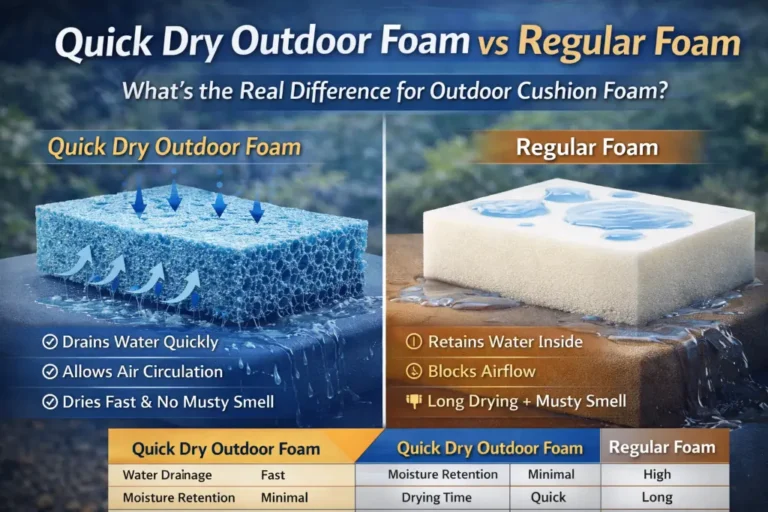
- Better water drainage
- Faster drying
- Higher tear resistance
- Longer usable life
This is where experienced foam manufacturers and sponge specialists make a difference.
What Makes KareFoam Cleaning Sponges Different?
As a specialized cleaning sponge manufacturer, KareFoam produces polyether-based foam sponges designed for both household and industrial use.
Key Features of KareFoam Sponges
- Hydrophilic cell structure for superior water absorption
- High tear and abrasion resistance for repeated use
- Custom pore sizes and densities for different cleaning needs
- Color stability even after repeated washing
- Optional anti-bacterial treatments for improved hygiene
Whether it’s kitchen sponges, dishwashing pads, car polishing sponges, or construction cleaning blocks, KareFoam designs foam that performs consistently.
Where KareFoam Cleaning Sponges Are Used
- Household dishwashing and surface cleaning
- Commercial kitchens and hotels
- Automotive cleaning and polishing
- Ceramic tile and construction cleanup
- Bath and personal care sponges
- Retail and private-label sponge products
These applications demand sponges that last longer, clean better, and maintain hygiene — not just short-term cleaning power.
Tips to Keep Your Sponge Cleaner for Longer
- Rinse thoroughly after every use
- Squeeze out excess water
- Store in an open, dry area
- Sanitize weekly
- Replace regularly
Even the best kitchen sponge needs proper care to stay safe and effective.
Proper Cleaning and Quality Sponges Go Hand in Hand
Learning how to clean a sponge properly is just as important as choosing the right one. Regular sanitizing, proper drying, and timely replacement reduce bacteria buildup and improve cleaning results.
For brands and OEMs looking to create durable, hygienic cleaning products, working with an experienced cleaning sponge manufacturer and trusted foam manufacturers ensures better performance and longer product life.
At KareFoam, we engineer sponge foam that supports hygiene, durability, and consistent quality — whether for household kitchens or industrial cleaning environments.
If you’re looking for high-quality sponges that last longer and stay hygienic, explore KareFoam’s range of cleaning sponges for both household and industrial use. Contact us Today!!