Noticed foam or bubbles collecting on the surface of your fish tank? Don’t panic. This guide explains why it happens, what it means for your aquarium, and how to fix it safely.
If you’ve ever walked up to your aquarium and noticed foamy bubbles floating on the surface, don’t panic. This is a common issue many fish keepers face at some point.
Sometimes the foam disappears on its own. Other times, it keeps coming back and makes you wonder if something is wrong with your tank, your fish, or your filter.
Let’s break it down in simple terms and figure out what’s causing foamy bubbles in a fish tank and how you can fix it without stress.
What Are Foamy Bubbles in a Fish Tank?
Foamy bubbles are groups of small bubbles that usually form on the surface of the water, often near corners, filter outlets, or tank edges. These don’t pop like regular air bubbles do.
When a tank looks fish tank foamy, it usually means that something in the water is reacting with air and making the surface tension.
The most important thing is to know what is causing that reaction.
Protein Foam Explained: What It Is and Why It Forms
Before we get into causes and fixes, it helps to know exactly what “protein foam” actually is since it’s the term behind almost every foamy fish tank.
What it is: Protein foam is a layer of small, persistent bubbles that forms when dissolved organic compounds mainly proteins from fish waste, uneaten food, and decaying plant matter collect at the water’s surface. These proteins act almost like a mild detergent: they reduce the water’s surface tension, which allows air bubbles to stick around instead of popping the way normal bubbles do.
Why it forms: Every aquarium naturally has some level of dissolved organic matter in the water. On its own, this doesn’t cause any problems. Foam appears when that organic load builds up faster than your filter and beneficial bacteria can break it down usually from overfeeding, a dirty or undersized filter, a new tank still cycling, or decaying plant material. Once there’s enough of it, any surface agitation (from a filter outlet, air pump, or even fish activity) whips it into visible foam, the same way shaking a soapy glass of water creates suds.
Is it dangerous? A thin layer of protein foam that comes and goes isn’t usually harmful on its own it’s more of a warning sign than a threat. But if it’s thick, persistent, and paired with cloudy water or stressed fish, it usually means the underlying organic and ammonia levels are too high, which can affect water quality and fish health if left unaddressed. The foam itself isn’t what harms your fish the excess waste and poor water quality behind it is.
The takeaway: protein foam is really just a visible symptom of how much waste is currently in your water relative to how well your filtration is handling it. Reduce the waste (better feeding habits, regular water changes) and improve filtration, and the foam resolves on its own.
Common Causes of Foamy Bubbles in a Fish Tank
1. Excess Waste and Organic Build-Up
One of the most common reasons for foam is too much waste in the water.
This can come from:
• Overfeeding fish
• Uneaten food breaking down
• Fish waste
• Decaying plants
When organic material builds up, it releases proteins. These proteins mix with air and create foam.
If your tank hasn’t had a recent water change, this is often the main reason.
2. New Tank Setup or New Additions
Foam is very common in new aquariums.
When a tank is newly set up, beneficial bacteria are still developing. During this stage, water chemistry is unstable, and foam can appear until the tank balances itself.
Adding new fish, decorations, or even new aquarium sponge filter foam can also temporarily disturb the water.
3. Inefficient or Clogged Filtration
Your filter plays a huge role in water clarity.
If your fish tank filter foam is clogged, worn out, or not suited for your tank size, waste doesn’t get removed efficiently. This allows proteins and debris to remain in the water, which then leads to foaming.
Low-quality or degraded aquarium filter foam can also break down over time and reduce filtration efficiency.
4. Cleaning Residue or Chemical Contamination
The issue may not be biological.
Cleaning sponges, soaps, or chemicals that you use around the house can leave traces in the water. Even tiny amounts may create foam and harm fish.
Always use tools that are safe for aquariums, and don’t use kitchen sponges or cloths around your tank again.
5. Strong Surface Agitation
Too much surface movement can trap proteins at the water surface.
If your air pump or filter outlet is creating aggressive bubbling, it can worsen foam formation instead of reducing it.
Balance is key.
How to Fix Foamy Bubbles in Your Fish Tank
The good news is that foamy water is usually easy to fix once you know the cause.
Step 1: Perform a Partial Water Change
Start simple.
Change 20–30 percent of the tank water using dechlorinated water. This removes excess proteins and organic waste almost immediately.
You’ll often see foam reduce within hours.
Step 2: Check Feeding Habits
Feed smaller portions and only what fish can eat within a few minutes. Less waste means less foam.
If food sits on the tank bottom or floats too long, you’re feeding too much.
Step 3: Clean or Replace Filter Foam
Inspect your aquatic filter foam regularly.
If it’s clogged, gently rinse it in old tank water. If it’s deteriorating or losing structure, it’s time to replace it.
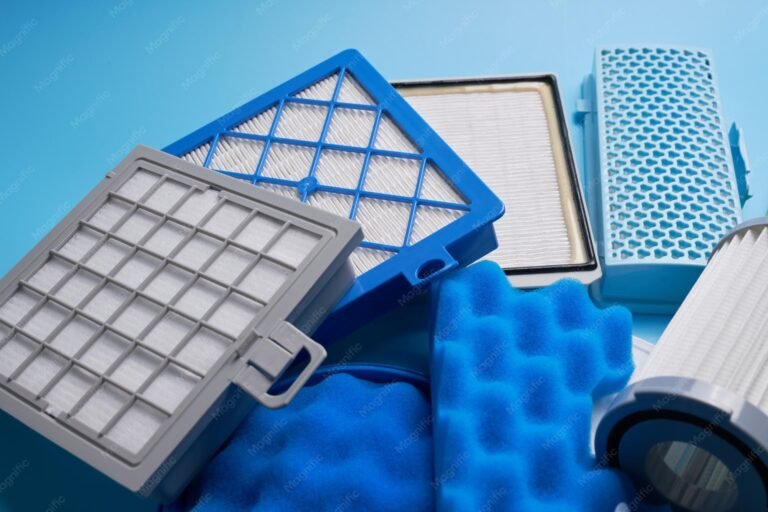
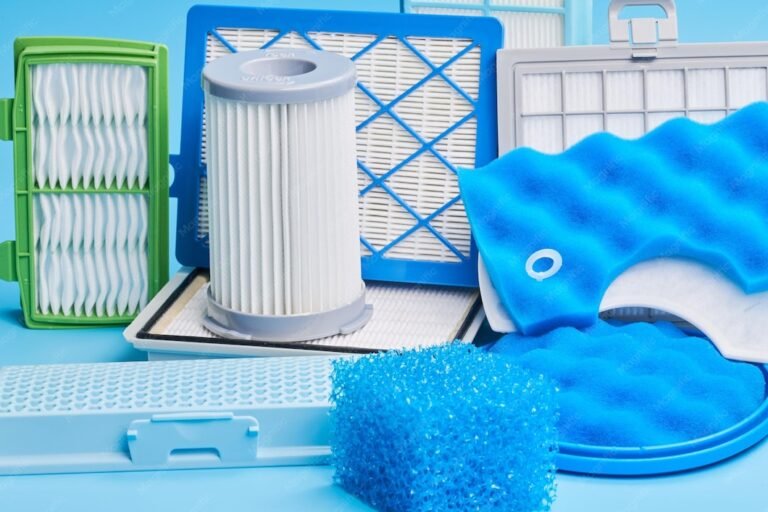
High-quality aquarium sponge filter foam maintains its shape and performance longer, helping prevent foam issues in the long run.
Step 4: Improve Filtration Quality
Make sure your filter is properly sized for your tank.
Using durable, open-cell waterproof foam allows better water flow and more surface area for beneficial bacteria. This improves filtration and reduces protein buildup that causes foaming.
Step 5: Avoid Chemicals and Household Cleaners
Never use dish soap, detergents, or regular cleaning sponges anywhere near your aquarium.
Designate aquarium-only tools to avoid contamination.
When Foamy Bubbles Are a Warning Sign
Occasional foam is normal. But persistent, thick foam combined with cloudy water or stressed fish could indicate:
• Poor water quality
• Insufficient filtration
• High ammonia or protein levels
In such cases, testing your water and upgrading your filtration media becomes important.
Why Is My Turtle Tank Foaming Too?
If you keep turtles instead of (or alongside) fish, you may have noticed the same foamy bubbles collecting on the surface of the water and yes, it’s a very common search: “why is my turtle tank foaming” and “why does my turtle tank have bubbles” are questions turtle owners ask just as often as fish keepers do.
The core cause is the same: organic waste and proteins building up in the water and reacting with air at the surface. But turtle tanks tend to foam more easily than fish tanks for a few extra reasons:
- Higher bioload. Turtles produce significantly more waste than fish of a similar size, which means more protein buildup in the water between cleanings.
- Turtles eat and mess in the water. Unlike most fish, turtles often eat directly in the tank, and food debris breaks down quickly, releasing the same proteins that cause foam.
- Shedding. Turtles regularly shed skin and scute (shell) layers, adding extra organic material to the water that can contribute to surface foam.
- Basking area runoff. If your turtle has a basking dock, waste and debris can wash back into the water when they move between land and water, adding to the load on your filter.
Why Filter Foam Quality Matters More Than You Think
A lot of people pay attention to the pumps and filter housings but not the foam inside.
A good aquarium filter foam does more than just catch dirt. It helps good bacteria grow, keeps the water flowing steadily, and keeps organic waste in check.
Low-grade foam breaks down more quickly, gets stuck easily, and makes water quality problems worse instead of fixing them.
Keeping Foam Away Starts With Better Filtration
Foamy bubbles in a fish tank usually mean that the tank needs to be better balanced, not that you need to do something drastic. Taking care of your tank on a regular basis, being careful about what you feed your fish, and having a good filter will help keep your tank clear and healthy.
This is where material quality makes a difference.
At KareFoam, we manufacture high-performance aquatic filter foam designed to stay stable in wet environments and support long-term filtration. Our fish tank filter foam and aquarium sponge filter foam are engineered for consistent pore structure, durability, and safe use in aquatic systems.
When the foam inside your filter works as it should, water stays clearer, waste stays controlled, and unwanted bubbles stay away.
Sometimes, fixing the foam on the surface starts with upgrading the foam inside your filter.