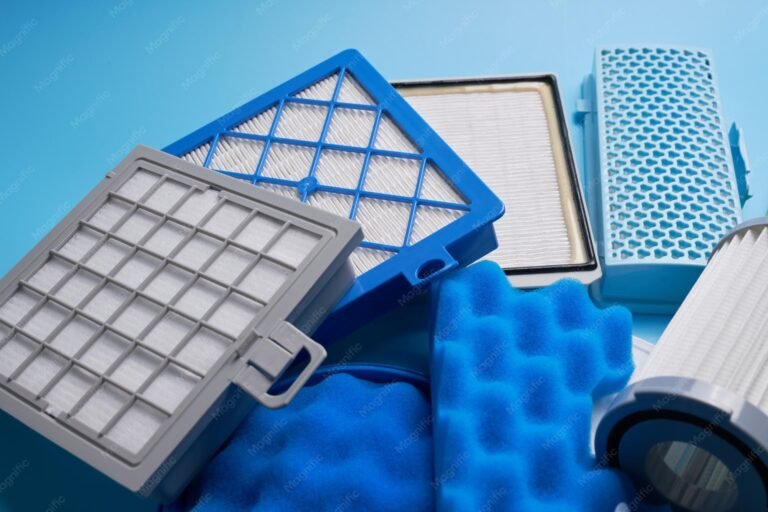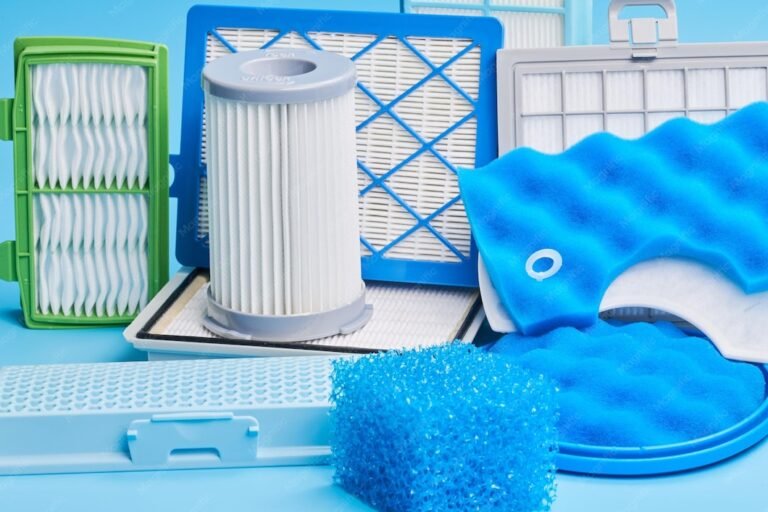
This blog explains why sponge filters are often considered the easiest fish tank filters and how they keep aquariums clean with minimal effort.
If you’ve ever kept fish, you already know one thing. Clean water matters more than almost anything else. And yet, choosing the right fish tank filter often feels more complicated than it needs to be.
That’s where sponge filters quietly win hearts.
They’re simple. They’re reliable. And once you understand how they work, you’ll see why sponge filters are one of the easiest and safest filtration options for aquariums of all sizes.
Let’s break it down without the technical confusion.
What Is a Sponge Filter, Really?
A sponge filter is exactly what it sounds like. A filter that uses a porous sponge to clean aquarium water.
At the core of it is aquarium sponge filter foam, made from open-cell polyurethane foam. This foam sits inside the tank and connects to an air pump through airline tubing.
When air moves upward through the sponge, it gently pulls water along with it. As water passes through the sponge, debris gets trapped and beneficial bacteria get a place to grow.
So you’re getting two types of filtration at the same time:
• Mechanical filtration that catches waste
• Biological filtration that supports healthy bacteria
All without motors, cartridges, or complex parts.
Why Sponge Filters Are So Popular
There’s a reason sponge filters are found everywhere. From beginner tanks to professional breeding setups.
They’re easy to use and even easier to trust.
Gentle on Fish and Fry
Sponge filters are safe for small fish, shrimp, and fry because water flows slowly through them. Nothing gets sucked in. Nothing gets stressed out.
This is why sponge filters are often the best choice for shrimp tanks and breeding tanks.
Simple Setup, Fewer Failures
A sponge filter usually needs just three things:
• The sponge itself
• An air pump
• Airline tubing
That’s it.
No moving parts inside the tank means fewer things that can break or fail over time.
Stable Filtration During Power Cuts
Here’s a quiet advantage many people overlook.
During short outages, the beneficial bacteria can often survive longer because they remain wet and attached to the sponge media. Once aeration resumes, the system recovers faster compared to disposable cartridge filters.
What Makes Good Aquarium Filter Foam?
Not all foam is the same. This is where quality really matters.
High-performance aquarium filter foam is made from reticulated open-cell polyurethane foam. The structure allows water to flow freely while still trapping debris and supporting bacterial growth.
At KareFoam, this foam is engineered using reticulated polyether foam, known for:
• Long life in wet environments
• Consistent pore structure
• Resistance to breakdown and hydrolysis
• Fish-safe, non-toxic composition
This is the kind of foam trusted by aquarium equipment manufacturers and water filtration OEMs.
Choosing the Right Sponge Filter Foam
When selecting aquarium sponge filter foam, pore size matters more than most people realize.
Coarse Foam
Coarser foam allows higher water flow and resists clogging. It’s ideal for larger tanks or systems with higher waste loads.
Medium Foam
A balanced option that traps debris effectively without restricting water movement too quickly. Often used in standard aquarium filters.
Fine Foam
Fine foam traps smaller particles but clogs faster. It’s best used as part of a multi-stage filtration setup.
KareFoam supplies filter foam sheets and custom-cut shapes ranging from low to ultra-fine PPI, depending on the application.
Where Sponge Filters Are Used Beyond Home Aquariums
Sponge filters are not just for hobby tanks.
High-quality fish tank filter foam is widely used in:
• Aquarium and pond filtration systems
• Aquaculture setups
• Drinking water pre-filtration
• Industrial water treatment units
• Sewage and wastewater systems
That’s why foam consistency, durability, and safety standards matter so much.
How to Clean a Sponge Filter (The Right Way)
It’s easy to clean a sponge filter, but you have to do it at the right time.
Cleaning sponge filters once a month or when the water flow slows down is usually all they need.
This is the right way to do it:
• Take the sponge out of the tank
• Rinse it off and gently squeeze it in old tank water.
• Avoid rinsing under tap water (chlorine/chloramine can kill beneficial bacteria). Always rinse in old tank water.
• Repeat again until major debris is removed
• Put it back in the tank
This keeps the filter working well without disrupting the biological balance.
Why Manufacturers Choose KareFoam
As one of India’s trusted foam manufacturers, KareFoam focuses on engineered foam solutions, not generic sponge material.
Our aquarium filter foam is supplied to OEMs, wholesalers, and filtration system manufacturers across multiple industries.
What partners value most:
• Uniform open-cell structure
• Custom PPI and density options
• Long-term durability in water
• Bulk supply with consistent quality
• Precision-cut formats and sheets
Whether it’s a compact sponge filter for a home aquarium or a large industrial filtration system, the foam inside makes all the difference.
Simple Filters, Smart Design
Sponge filters may look basic, but they’re built on smart material science. With the right aquarium sponge filter foam, they deliver reliable filtration without complexity.
If you’re designing or sourcing sponge filters at scale, the quality of the foam matters just as much as the design around it.
At KareFoam, we help filtration systems perform better by starting with the right foam.
Because sometimes, the simplest solutions really are the most effective.