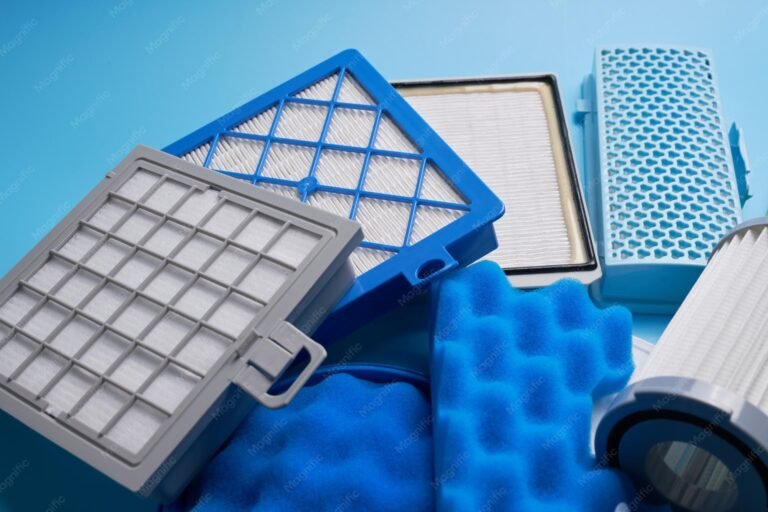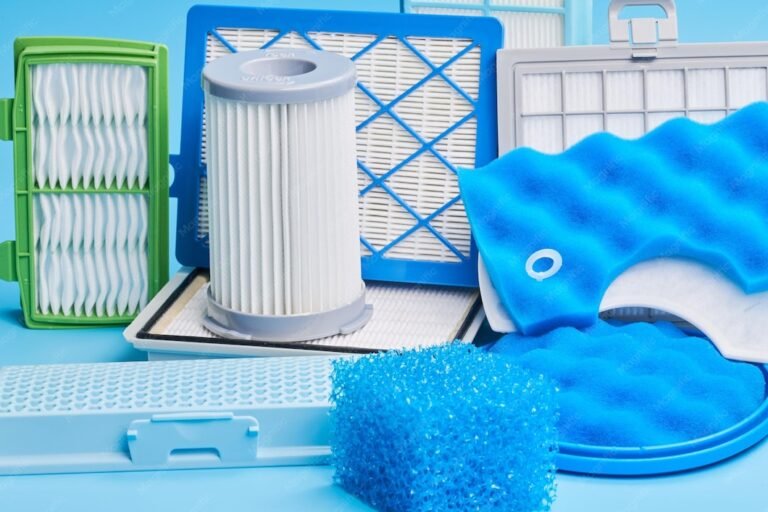
A guide to understanding how airflow and filtration in foam affect performance and how to select the right filter foam for various uses.
In many systems, from automotive engines to industrial equipment, air flow plays a key role in performance. At the same time, clean air is just as important for protecting internal parts and improving efficiency.
This is where filter foam becomes important. It helps control airflow while also trapping dust and other particles. However, the challenge is finding the right balance between airflow and filtration efficiency.
If airflow is too high, filtration can drop. If the filtration is too strong, the airflow can be reduced. This balance is especially critical in automotive filter foam applications, where performance and protection must work together. Because of this, industries prefer advanced materials like reticulated filter foam, which help maintain both air movement and filtration quality.
This guide explains how airflow and filtration efficiency work, and how to choose the right foam for different applications.
Understanding Airflow and Filtration Efficiency
Airflow and filtration efficiency are two key factors in any filter system. Both work together, but they serve different purposes.
Airflow
Airflow is the movement of air through the foam. It shows how easily air can pass through the material. Higher airflow means air moves faster and with less resistance.
Filtration efficiency
Filtration efficiency is the foam’s ability to trap dust, dirt, and other small particles. Higher efficiency means cleaner air, but it can also slow down airflow.
In simple terms, airflow controls speed, and filtration controls cleanliness.
The key difference
Both are important, but they work in opposite ways. When one increases, the other can reduce. This is why filter design must carefully balance both factors.
In automotive air filter foam, this balance is critical. Engines need enough air for performance, but also clean air to avoid damage.
This is where materials like reticulated filter foam help, as they are designed to support both airflow and filtration together.
Why Balance Between Airflow and Filtration Matters
Airflow and filtration must work together in any filter system. If one is too strong, the other gets affected.
When the airflow is too high, the air moves easily. But more dust and particles can pass through. This reduces protection.
When filtration is too high, more particles are trapped. But air movement becomes slow. This can reduce system performance.
In real use, both extremes cause problems.
- In engines, low airflow can reduce power
- In HVAC systems, poor filtration can affect air quality
- In machines, imbalance can increase wear and tear
This is why industries need a proper balance between both factors.
In automotive filter foam, this balance helps maintain engine performance while keeping air clean. The right material ensures neither airflow nor filtration is compromised.
Types of Foam Used in Filtration Applications
Different types of foam are used in filtration systems. Each one offers a different level of airflow and filtration efficiency.
| Foam Type | Key Feature | Use |
| Reticulated Foam | Open-cell structure, high airflow | Air filters, engines |
| PU Filter Foam | Balanced airflow and filtration | HVAC systems |
| Fine Cell Foam | High filtration, lower airflow | Sensitive equipment |
| High Porosity Foam | Maximum airflow | Pre-filtration layers |
Among these, reticulated filter foam is widely used because it offers a good balance of airflow and filtration efficiency.
In automotive systems, automotive air filter foam is often selected based on engine type, dust levels, and performance needs.
Applications in Automotive and Industrial Systems
Filter foam is used in many systems where air quality and performance both matter. The choice of foam depends on how much airflow and filtration are needed in that system.
- Automotive air filtration
In vehicles, filter foam helps control the air entering the engine. Clean air improves engine life, while proper airflow supports performance. This is why automotive air filter foam is widely used in engine systems and air intake units.
- HVAC systems
For HVAC systems, foam helps eliminate dust from the air. It also allows for easy flow of air inside the HVAC system.
- Industrial equipment
Machines and tools often work in dusty environments. Filter foam protects internal parts by blocking particles while allowing air to move.
- Pre-filtration systems
In many setups, foam is used as a first layer of filtration. It captures larger particles and supports the main filter.
In all these applications, the right automotive or industrial filter foam helps maintain both efficiency and protection.
Factors to Consider When Choosing Filter Foam
Selecting the right filter foam is important for system performance. A wrong choice can affect airflow, filtration, and overall efficiency.
Key factors include:
- Airflow requirement: Some systems need high airflow, while others need controlled movement.
- Filtration level needed: The particle size to be blocked determines the foam type.
- Foam structure: Open-cell structures, such as reticulated filter foam, provide better airflow balance.
- Durability: Foam must handle continuous use without breaking down.
- Temperature and environment: Heat, moisture, and dust levels affect foam performance.
Each application needs a different balance. This is why industries rely on tested foam solutions to get the right performance from their systems.
Role of Reticulated Filter Foam in Modern Systems
Reticulated foam is widely used in modern filtration because it supports both airflow and particle control. Its open-cell structure allows air to move freely while still trapping dust and impurities.
Why it is widely used:
- Open-cell structure supports smooth airflow
- Helps trap dust without blocking air movement
- Maintains balance between performance and protection
- Works well in continuous-use systems
Role of Foam Manufacturers in Filtration Systems
Foam manufacturers play an important role in ensuring that filtration systems perform correctly. They do not just supply material but also help select and develop the right foam for each use case.
How they contribute:
- Material development: They design foam with specific airflow and filtration needs in mind.
- Application-based selection: Different systems need different foam types. Manufacturers help match the right material to the right application.
- Performance consistency: Foam quality must remain stable across batches for reliable system performance.
- Custom solutions: In many cases, automotive filter foam is customised to the engine type and operating conditions.
Smarter Foam Choices for Better Filtration Performance
Airflow and filtration are both important in any system. The right balance helps improve performance, protect equipment, and increase efficiency over time.
Different applications need different foam types. In automotive systems, automotive air filter foam helps maintain clean airflow while supporting engine performance. In many industrial uses, automotive filter foam is selected based on operating conditions and durability needs. Materials such as reticulated filter foam are widely preferred because they provide a balanced structure for both airflow and filtration.
Karefoam supports this requirement by working closely with industries to develop and supply application-based foam solutions. With a focus on consistency and performance, they help ensure that every filtration need is met with the right material choice.
Choosing the right foam is not just a technical decision. It directly impacts system life, efficiency, and overall performance.