In this blog, we explored how a sponge filter works and why it’s a reliable choice for maintaining water quality in fish tanks.
Maintaining clean and healthy water is essential in any fish tank. An aquarium sponge filter plays a major role in removing waste, debris, and harmful chemicals from the water.
Among the different types of filters available, a sponge filter is one of the most popular options, especially for small aquariums, breeding tanks, and tanks with delicate fish.
This blog explains what a sponge filter is, how it works, and why it is a practical choice for many aquarium setups.
What is a Sponge Filter?
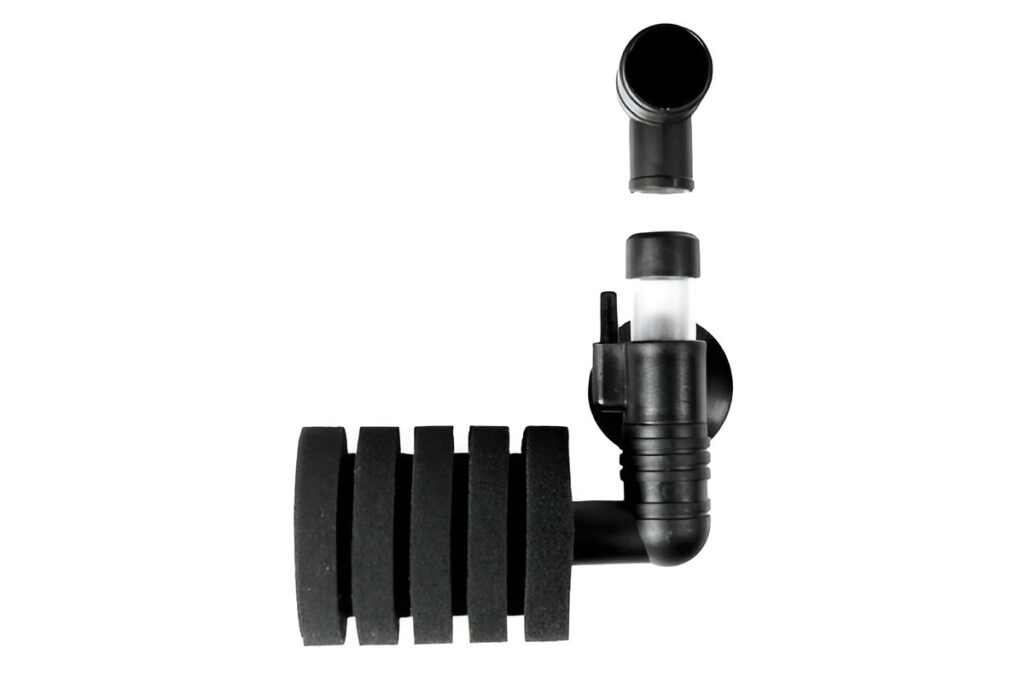
A sponge filter for aquarium is a type of aquarium filter that uses a piece of porous aquarium filter foam as the main filtering medium.
This foam is connected to an air pump through a piece of airline tubing. When the air pump is turned on, it pushes air through the tubing and into the sponge.
As the air rises, it creates suction, which pulls water through the aquarium sponge filter.
The water passes through the sponge filter for fish tank, where solid particles like uneaten food, fish waste, and other debris are trapped in the foam.
This simple mechanism makes the sponge filter a highly effective option for mechanical and biological filtration.
How Does a Sponge Filter Work?
The operation of a sponge filter aquarium is based on basic principles of air-driven water movement. Here’s how the process works:
- Air Pump Activation: The air pump pushes air into the airline tubing connected to the aquarium sponge filter.
- Air Uplift: The rising air creates a vacuum effect inside the lift tube, pulling water from the tank into the sponge filter.
- Mechanical Filtration: As the water is drawn through the sponge, the porous aquarium foam traps dirt, debris, and other solid waste.
- Biological Filtration: Over time, beneficial bacteria grow on the surface of the sponge filter for aquarium. These bacteria help break down harmful ammonia and nitrite into less toxic nitrate, supporting a stable environment for fish.
- Clean Water Output: The filtered water is returned to the aquarium, free of particles and safer for fish.
Benefits of Using a Sponge Filter
Using a sponge filter for fish tank setups offers several advantages, especially for specific aquarium needs:
- Gentle Filtration: Since the filter is air-powered, it produces gentle water movement. This is ideal for baby fish, shrimp, or fish with delicate fins.
- Biological Support: The surface area of the aquarium sponge filter allows beneficial bacteria to thrive, supporting a healthy nitrogen cycle.
- Easy Maintenance: Cleaning a sponge filter is simple. Rinse the foam in old tank water to remove debris without killing the helpful bacteria.
- Cost-Effective: Compared to powered filters, sponge filters are affordable and energy efficient.
- Air Supply: Many sponge filters for fish tank designs double as an air source, helping oxygenate the water.
Difference Between Sponge Filter and Other Types of Filters
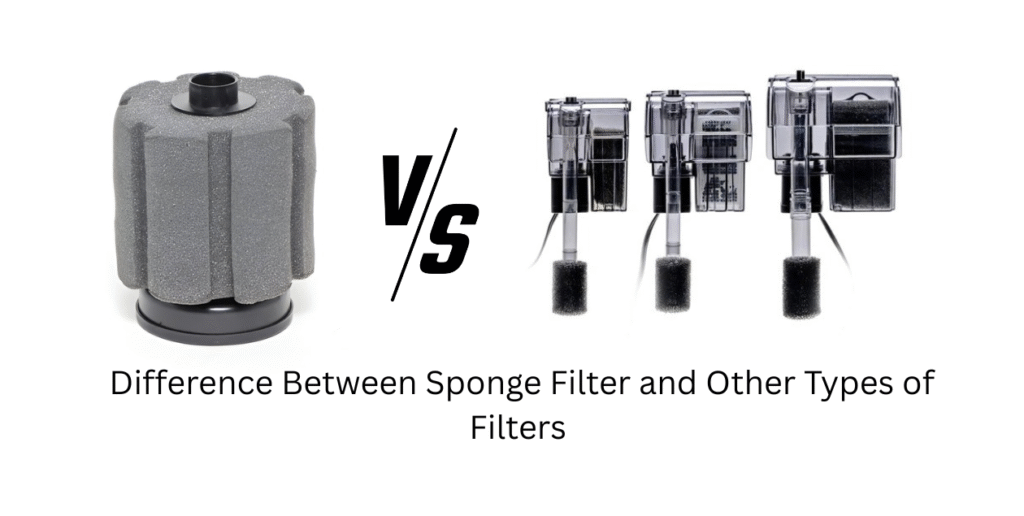
| Feature | Sponge Filter | Other Filters (HOB, Canister, Internal, etc.) |
| Filtration Type | Mechanical & biological | Mechanical, biological, and sometimes chemical |
| Water Flow Rate | Gentle – ideal for fry/shrimp tanks | Moderate to strong – suitable for larger or stocked tanks |
| Ease of Maintenance | Very easy – rinse sponge in tank water | Moderate to complex – often requires disassembly |
| Cost | Low – budget-friendly | Medium to high – varies by type and brand |
| Oxygenation | Excellent (with air pump) | Good – may need extra aeration depending on setup |
| Power Dependency | Air-driven – low energy usage | Fully electric – higher energy use |
| Best Use Cases | Small tanks, fry tanks, shrimp setups, breeding tanks | Community tanks, large tanks, tanks with high bioload |
| Noise Level | Very quiet (air pump-dependent) | Low to moderate – varies by type and brand |
| Media Customization | Limited | Moderate to high – can often add/replace media |
| Clogging Tendency | Low – easy to clean | Medium – fine media or cartridges can clog over time |
Where and When to Use a Sponge Filter
An aquarium sponge filter foam is a practical option in various situations. It’s commonly used in:
- Breeding Tanks: It provides filtration without posing a risk to small or newly hatched fish.
- Hospital Tanks: A gentle environment helps stressed or sick fish recover.
- Shrimp Tanks: Shrimp are sensitive to strong currents and need clean but calm water.
- Small Aquariums: Tanks under 20 gallons often benefit from the simple and effective action of an aquarium sponge filter.
Although not as powerful as some other filters, a sponge filter is suitable for tanks with a light to moderate bio-load.
For larger or heavily stocked tanks, it is often used alongside another type of aquarium filter for added support.
How to Use a Sponge Filter
Using a sponge filter is simple and highly effective for maintaining clean water in your aquarium. By following these straightforward steps, you can ensure the filter works efficiently and helps provide a healthy environment for your fish and plants. If you’re wondering how sponge filters work in an aquarium this guide will walk you through the steps for setup and usage.
Steps to Use a Sponge Filter:
- Rinse the Sponge: Before use, rinse the sponge in old tank water to remove any dust and contaminants from manufacturing.
- Attach the Air Pump: Connect the sponge to the air pump using airline tubing to provide air flow. This is how sponge filters provide oxygen to the tank while performing filtration.
- Position the Sponge: Place the sponge near the bottom of the tank, ensuring water can circulate easily around it. This helps to prevent strong currents, which is why gentle sponge filters are ideal for delicate species like shrimp or baby fish.
- Ensure Secure Fit: Make sure the sponge fits securely, so water flows through it for effective filtration. A secure fit ensures optimal biological filtration and prevents debris buildup.
- Allow Bacteria to Grow: After installation, give it time to develop colonies of beneficial bacteria that will help break down fish waste and keep ammonia levels in check. This is why sponge filters benefit aquarium setups by supporting healthy water conditions.
Choosing the Right Sponge Filter
When selecting a sponge filter for aquarium, consider the tank size, the type of fish, and the level of waste produced.
A larger piece of aquarium filter foam will provide better filtration in bigger tanks.
The quality of the foam also affects performance and durability.
Some sponge filters for fish tank comes with dual sponges or weighted bases for better efficiency and stability.
Maintenance Tips
To keep your aquarium sponge filter working properly, regular maintenance is important:
- Clean the sponge every 2–4 weeks in tank water.
- Replace the aquarium foam if it starts to break down or loses its shape.
- Check the air pump and tubing for blockages or wear.
Avoid using tap water to clean the sponge filter, as chlorine can kill beneficial bacteria. Gentle cleaning is enough to remove debris while preserving the biological filtration capacity.
Summing Up
A sponge filter offers a simple yet effective way to maintain clean and healthy water in your aquarium.
By combining mechanical filtration through aquarium filter foam and biological filtration from beneficial bacteria, it creates a stable environment ideal for fish, shrimp, and baby fishes.
Easy to maintain and cost-efficient, a sponge filter for fish tank setups is especially suited for small aquariums, breeding tanks, and hospital tanks where gentle filtration is essential.
To maximize the performance and longevity of your aquarium sponge filter, it’s important to choose a high-quality aquarium filter foam.
Kare Foam provides specialized aquatic filter foam designed for excellent filtration, durability, and water flow. Their foam products ensure your aquarium filter operates at its best, offering clean water and a healthy habitat for aquatic life.
Enhance your filtration system with Kare Foam and give your aquarium the care it deserves.
FAQ’s
How do sponge filters work?
Sponge filters work by using a porous sponge that traps debris and allows water to flow through it. They rely on an air pump to create suction, pulling water through the sponge. This provides both mechanical and biological filtration, helping maintain clean and healthy water for your aquarium.
What is a biochemical sponge filter and how does it work?
A biochemical sponge filter uses a sponge made from open-cell foam, which provides a surface for beneficial bacteria to grow. These bacteria help break down fish waste and ammonia, creating a biological filtration system. It’s gentle and effective, especially for small fish and fry.
Does a sponge filter provide oxygen?
Yes, a sponge filter can help aerate the water. As the air bubbles rise through the sponge, they create water movement and oxygen exchange, ensuring oxygen is distributed throughout the tank. This is particularly beneficial for fish that require high oxygen levels.
What are the benefits of using a sponge filter in an aquarium?
Sponge filters provide both mechanical and biological filtration, helping to keep aquarium water clean. They are low-maintenance, easy to clean, and offer gentle filtration, making them ideal for small fish, fry, and shrimp. Additionally, they help aerate the water, improving oxygen flow.
What is a sponge filter for a fish tank?
A sponge filter is a filtration device that uses a sponge made from porous foam to trap debris and support bacterial growth in a fish tank. It’s connected to an air pump that helps circulate the water, providing effective filtration and oxygenation, especially in smaller tanks or for delicate fish.
How often should I clean my sponge filter?
It depends on your tank size and fish load. For lightly stocked tanks, clean the sponge every 3 to 4 weeks. For heavily stocked tanks, clean it every 2 weeks, or when the water flow slows down.
How do I use a sponge filter?
To use a sponge filter, attach it to an air pump with airline tubing. The rising air creates suction, pulling water through the sponge. Position the sponge near the bottom of the tank to ensure proper water circulation. This helps trap debris while promoting the growth of beneficial bacteria that maintain water quality.